如何为风力发电机组供应商选择第三方检验机构?
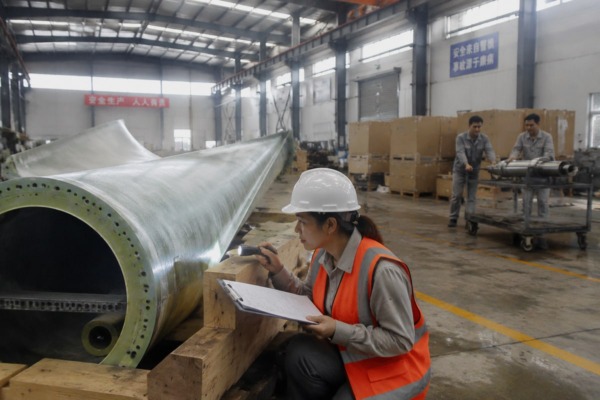
为风力发电机组供应商选择第三方检验机构是风险控制,而非文书工作。薄弱的报告会拖垮项目。我在我们工厂接待SGS和BV审核时学到了这一点。
选择一家持有ISO/IEC 17020认证、作为A类独立机构、能证明在叶片和主轴等部件方面具有风电行业经验、遵循与IEC 61400对齐的检查清单、在当地覆盖您供应商所在位置、并交付带有纠正措施跟踪的基于证据的报告的检验机构——SGS和BV是经过验证的例子。
这个答案听起来简单。做好却并不容易。多年来,我在浙江的工厂一侧坐在审核桌旁。我见过优秀的检验员及早发现问题,也见过能力不足的检验员漏掉让买家付出真金白银代价的问题。下面,我将这一决策拆解为任何采购团队都能付诸行动的四个实际问题。
选择风力涡轮机检验机构时,我应该关注哪些认证?
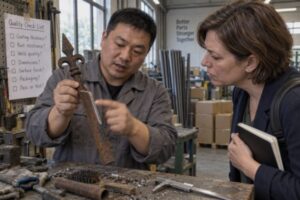
去年,一位BV审核员在我们浙江生产线走了两天。在预约她之前,我 在网上核实了她所在公司的认证编号。这个习惯已经两次帮我避免了损失。
寻找检验机构的 ISO/IEC 17020 认证、确认完全独立性的 Type A 状态,以及质量管理的 ISO 9001。直接向认证机构核实证书编号,并优先选择 SGS 或 Bureau Veritas 等国际公认的名称进行工厂生产、安全和合规检查。
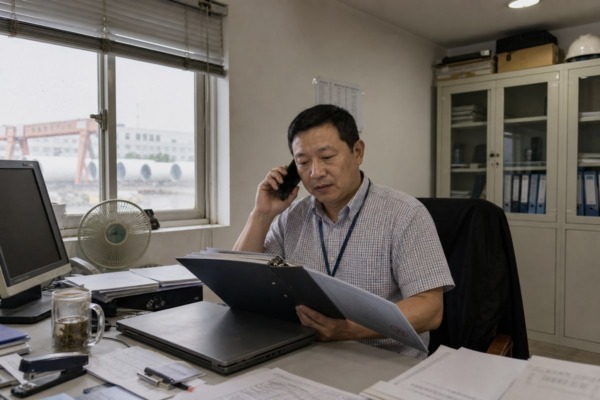
认证是入场券。它们不是全部答案,但跳过它们正是买家最终拿到橡皮图章式报告的原因。根据我自己安排供应商质量审核的经验,我总是从三层证明开始。
真正重要的三层认证
第一,ISO/IEC 17020。这是专门为检验机构编写的认证标准。它涵盖公正性、检验员能力和检验程序。ISO 9001做不到这一点。ISO 9001只能证明该机构管理其自身的 内部质量体系。两者都需要,但17020是最重要的那一个。
第二,A类地位。根据ISO/IEC 17020, A类检验机构 1 必须完全独立。它不能制造、贸易,或对供应商或产品结果持有任何经济利益。B类和C类机构服务于其母组织。对于风力发电机组供应商的技术尽职调查,只有A类才能为您提供 真正中立的独立服务提供商(ISP).
第三,验证。永远不要接受网站上的标志。索取证书编号并直接向认证机构核实。这只需十分钟,并能快速过滤掉自我宣称的资质。
| 资质 | 其证明的内容 | 如何验证 |
|---|---|---|
| ISO/IEC 17020 | 作为检验机构的能力 | 向认证机构核实的证书编号 |
| A类地位 | 完全独立,无供应商关联 | 书面确认加利益冲突声明 |
| ISO 9001 | 内部质量管理体系 | 证书范围和到期日期 |
| 行业批准 | 风电或能源检验范围 | 认证证书上的范围声明 |
这是我经常听到的反对意见:一些买家把认证视为终点线。事实并非如此。一家没有风电经验的认证机构仍然可以写出无用的报告。认证告诉你该机构是合法的。下一节告诉你它是否有能力。
我如何验证检验机构在风力涡轮机部件方面的经验?
在一次工厂参观中,一位德克萨斯买家问我如何区分真正的风电专业能力与营销文案。我的回答:先索取样本报告和检验员简历。
通过索取风电专项案例研究、一至三份抽样检验报告,以及展示复合材料叶片和锻造主轴无损检测资质的检验员简历,来核实相关经验。确认其具备IEC 61400合规、无人机叶片分析以及涡轮部件工厂制造监督方面的实操知识。
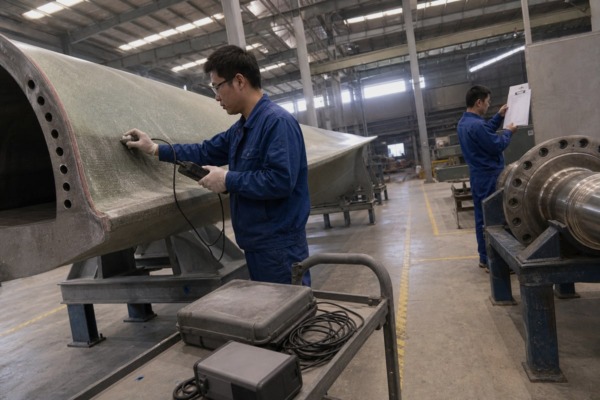
通用工厂审核员和风电部件检验员不是同一职业。照单核对的人可以数复选框并拍摄标签。风电专家知道为什么叶片根部层压板中的空洞是未来的失效,而不是外观问题。那么,在签订合同之前,你如何区分两者?
将无损检测方法与部件风险相匹配
每个主要风机部件都有独特的失效模式。你选择的机构应该毫不犹豫地为每一个部件说出正确的 无损检测方法 2 。在第一次通话时,将这张表用作筛选测验。
| 组件 | 关键风险 | 应预期的无损检测方法 |
|---|---|---|
| 复合材料叶片 | 分层、空洞、纤维错位 | 超声波检测、热成像、无人机视觉分析 |
| 锻造主轴 | 次表面裂纹、夹杂物 | Ultrasonic plus magnetic particle testing |
| Tower sections | Weld defects, coating failure | Weld UT, visual inspection, coating thickness checks |
| Gearboxes | Gear tooth flaws, bearing damage | Borescope inspection, vibration analysis |
| Nacelle electrical systems | Wiring and insulation faults | FAT electrical testing, insulation resistance checks |
If the agency cannot discuss turbine blade structural integrity in concrete terms, or cannot explain how its teams verify workmanship against IEC 61400合规性 3 requirements, keep looking. Leading agencies now also deploy autonomous drones for blade surface analysis and AI-driven defect recognition software. Ask whether these tools are in-house capabilities or subcontracted promises.
Specialist or Global Firm?
Buyers often frame this as a hard choice. I see it as a trade-off, not a verdict. A large global firm offers coverage, consistent procedures, and scalable manpower. A niche wind specialist offers deeper component knowledge. My advice: shortlist one of each, request the same sample report from both, and judge the evidence. The report quality will settle the debate for your specific components. Inspector CVs, wind references, and case studies in similar projects should close the decision.
在风力涡轮机检查期间,我应该期望哪些质量控制标准?
Every week on our own line, we weigh speed against depth in QC checks. Wind turbine inspections face the same trade-off, but the stakes are measured in megawatts.
期望有文件化的QA/QC协议,涵盖生产前审核、生产过程中检验(DUPRO)、FAT和SAT程序以及发货前验证。报告应遵循与IEC 61400对齐的检查清单,包含高分辨率照片、缺陷分类、纠正措施跟踪,以及提供远程见证检验进度的基于云的门户。
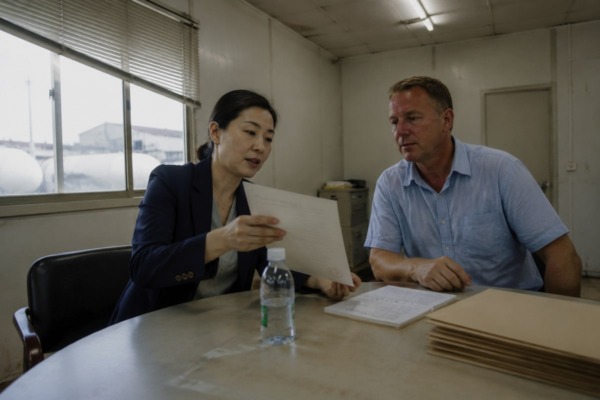
A single pre-shipment check is not a quality system. It is a snapshot taken after every important decision has already been made. Strong agencies structure their work across the full manufacturing lifecycle, and you should expect that structure in writing before the first visit.
The Five-Stage Inspection Lifecycle
- Pre-production audit. The agency reviews the supplier's quality system, material certificates, and process controls before anything is built.
- During-production inspection (DUPRO). Inspectors perform manufacturing surveillance while components are in process, when defects are still cheap to fix.
- FAT and SAT procedures. Factory acceptance tests verify performance before shipment; site acceptance tests confirm it after installation.
- Pre-shipment verification. Final checks on workmanship, packaging, marking, and documentation against the purchase specification.
- Corrective-action follow-up. Nonconformities get logged, assigned, and closed with evidence, not just noted and forgotten.
| 阶段 | Core Activity | Deliverable You Should Receive |
|---|---|---|
| 产前 | Supplier system and material review | Audit report with risk rating |
| DUPRO | In-process manufacturing surveillance | Defect log with photo evidence |
| FAT | Performance testing at the factory | Signed test protocol |
| 出货前 | Final verification and packaging check | Release or hold recommendation |
| Follow-up | Corrective-action tracking | Closure report per nonconformity |
Modern Standards Go Beyond the Checklist
Expectations are rising, and your agency should keep pace. Ask about ESG and ethical supply chain assessments, since sustainability and labor regulations increasingly apply to component suppliers. Ask whether inspection data outputs are interoperable with digital twin platforms, so findings can feed predictive maintenance models later. Request cloud-based portals with remote witnessing, letting your team watch inspection progress live across time zones. Finally, for modern turbines, a cyber-physical security review of control systems and data-gathering sensors before delivery is becoming a reasonable ask, not an exotic one. Each of these turns inspection from a formality into genuine supply chain risk mitigation.
如何在保证质量的前提下比较检验成本?
Years ago, I hired the cheapest audit quote for our export line. The report arrived thin and late. That mistake taught me to price risk, not man-days.
比较质量总成本,而非日费率。要求提供涵盖差旅、复检费用和报告交付周期的分项报价。将产前、DUPRO和装运前阶段捆绑在一份合同下,然后在选择较低报价前核实保险覆盖范围、责任条款和数据所有权。
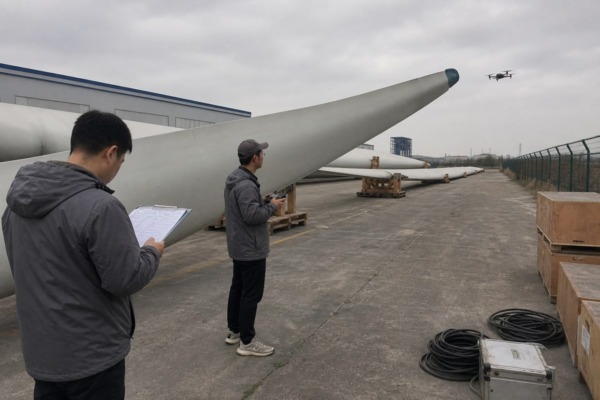
The cheapest quote is rarely the cheapest outcome. In wind supply chains, a missed defect can trigger rework, project delays, warranty disputes, or worse. So the honest question is not "which agency costs less per day?" It is "which agency lowers my total risk per dollar?"
Where Cheap Quotes Hide Their Costs
Low headline rates often conceal fees that surface after signing. I have seen all of these firsthand while arranging third-party inspection agency visits over the years.
| Cost Factor | Low-Bid Trap | What to Require Instead |
|---|---|---|
| Travel expenses | Billed separately, inflated by distant inspectors | Local inspectors near supplier factories |
| Re-inspection fees | Full price charged for every follow-up visit | Discounted or capped repeat-visit rates |
| Report turnaround | Slow delivery that stalls shipment decisions | Committed turnaround, ideally 24–48 hours |
| Scope gaps | Only pre-shipment covered; failures found too late | Bundled lifecycle stages under one contract |
| Weak reports | Vague findings with no corrective-action path | Sample report review before signing |
Geographic coverage deserves special attention here. An agency with local staff in your suppliers' regions cuts travel bills, shortens lead times, and can support urgent or surprise inspections. That responsiveness is a cost lever, not a luxury.
Contract Terms That Protect You
Price talks should end with contract talks. Confirm professional liability insurance 4 and its coverage limits. Clarify who owns the inspection data and photos, since that evidence may support warranty claims or commercial disputes later. Define remedies if the agency misses a documented defect. A slightly higher day rate from an accredited independent service provider with strong terms usually beats a bargain rate with no accountability. That is technical due diligence applied to your own purchasing decision.
结论
From my side of the audit table: verify accreditation, demand wind expertise, insist on lifecycle QC, and price total risk. That is how the right agency earns your trust.
脚注
1. Official homepage of the International Organization for Standardization, which publishes the ISO/IEC 17020 standard for inspection bodies. ↩︎
2. The American Society for Nondestructive Testing is the primary technical authority for NDT standards used in wind turbine inspections. ↩︎
3. The International Electrotechnical Commission is the leading global organization that prepares and publishes international standards for wind turbines. ↩︎
4. SGS is a leading global inspection and certification company providing professional liability and risk management services for industrial projects. ↩︎
更多文章
你可能也会觉得这些有帮助。
 English
 Spanish
 German
 Arabic
 Chinese