
How to Avoid Common Customs Clearance Problems for Windmills?
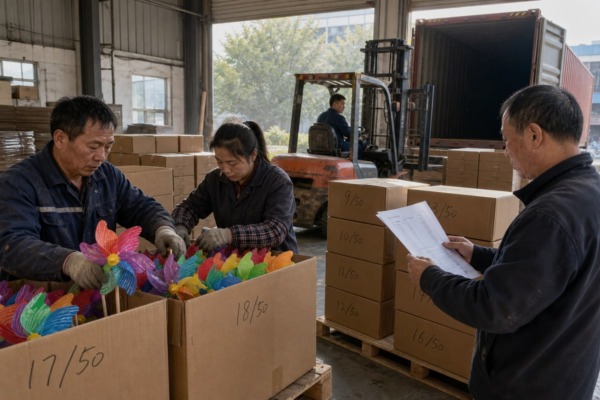
Every month our Zhejiang factory ships pinwheel containers to US ports, and I still watch buyers lose weeks to customs clearance problems for windmills that were completely avoidable.
Para evitar problemas comunes de despacho aduanero para molinos de viento, prepare documentos completos y consistentes, clasifique los productos bajo el código SA correcto (los molinillos de juguete corresponden al 9503, no a los códigos de turbinas eólicas), cumpla con los estándares de etiquetado y seguridad del destino, y alinéese con su proveedor en una lista de verificación de cumplimiento previa al envío.
Here is the truth I have learned after years of exporting: customs rarely holds a shipment because of one big mistake. Holds happen because of small, preventable errors. A vague description. A mismatched invoice. A missing certificate. Each one alone seems minor. Together, they turn a two-day clearance into a three-week nightmare with demurrage fees piling up. The good news? Every one of these failure points can be fixed before your cargo ever leaves the factory. Let me walk you through exactly how we do it, section by section.
¿Qué documentos necesito preparar para un despacho aduanero de molinete sin contratiempos?
A procurement manager in Texas once messaged me on WhatsApp at midnight. Her pinwheel container was stuck at the port because one invoice line simply said "windmill parts."
El despacho aduanero sin contratiempos del molinete requiere una factura comercial, lista de empaque, conocimiento de embarque, certificado de origen y, para productos infantiles de EE. UU., un certificado de producto infantil con informes de prueba. Todas las cantidades, valores, pesos y descripciones de productos deben coincidir exactamente en todos los documentos.

Most customs problems begin with paperwork, not with the product itself. In our experience shipping to the United States, South America, and Europe, port of entry delays almost always trace back to a document that was incomplete, inconsistent, or simply missing. So before any container leaves our warehouse, we run every file through a fixed checklist.
Here are the core documents and the mistakes we see most often:
| Documento | What It Does | Most Common Error |
|---|---|---|
| Factura comercial | Declares value, seller, buyer, and goods | Vague descriptions like "windmill parts" or "toys" |
| Lista de empaque | Details cartons, weights, and quantities | Carton counts that differ from the invoice |
| Bill of Lading 1 | Contract of carriage and proof of shipment | Consignee details that do not match the invoice |
| Certificate of Origin 2 | Proves where goods were made | Missing when preferential duty rates are claimed |
| Certificado de Producto Infantil | Confirms US toy safety testing | Not prepared before arrival, triggering a hold |
| Product spec sheet | Explains materials and construction | Skipped entirely, inviting a Request for Information |
The Three-Way Consistency Check
Before every sailing, we compare the invoice, the packing list, and the Bill of Lading side by side. Quantity, weight, value, description, and consignee must agree on all three. This sounds basic. Yet inconsistent data across documents is one of the most common triggers for automated customs holds. Modern digitized customs systems flag mismatches instantly. A single carton-count discrepancy can push your shipment into inspection.
We also send draft documents to our buyers for review before loading. When the personal lesson from our own exports is this clear — understand US clearance requirements in advance, confirm declaration materials early, and you avoid cargo being held for missing files — there is no excuse to skip the check.
¿Cómo puedo elegir el código HS correcto para evitar retrasos aduaneros en mi pedido de molino de viento?
Years ago, one of our shipments got flagged because the word "windmill" on the manifest pointed the customs system toward wind turbine components instead of children's toys. That single word cost the buyer two weeks.
Elija la clasificación de juguetes, partida arancelaria 9503, para molinetes decorativos y ristras de molinetes, no códigos como 8502.31 para grupos generadores eólicos o 8412.90 para palas de turbina. Confirme el código con su agente de aduanas antes de reservar, ya que la clasificación establece los tipos de arancel y el riesgo de inspección.

HS code classification is the single highest-risk compliance decision on a windmill order, because the English word "windmill" covers two totally different worlds. One world is renewable energy: wind turbine components moved by breakbulk shipping and heavy lift transportation, governed by renewable energy trade regulations 3 and, in some markets, anti-dumping measures on wind towers. The other world is ours: lightweight plastic-and-wood garden pinwheels packed by the thousand into standard cartons. Customs software cannot tell the difference from a vague description. Your documents must do that work.
Here is how the classifications compare:
| Tipo de Producto | Typical HS Reference | Trade Environment |
|---|---|---|
| Decorative toy pinwheels, pinwheel strings | Heading 9503 (toys) | Toy safety rules, standard container freight |
| Wind-powered generating sets | 8502.31 | Energy tariffs, possible trade remedies, oversized cargo logistics |
| Turbine blades and parts | 8412.90 | Component-level scrutiny, project cargo handling |
Why the Word Windmill Causes Trouble
Generic terms invite a Request for Information hold. We never write "windmill" alone on an invoice. We write something like "plastic toy pinwheel with wooden stick, garden decoration, for children age 3+." A granular technical description tells the officer exactly what is in the box and steers the entry away from Section 301 tariff lines and Section 232 questions aimed at energy hardware. Buyers importing from China should still monitor shifting trade policies, because duty forecasting and landed cost depend on where your code sits on those lists.
Origin, Valuation, and Duty Forecasting
An authenticated Certificate of Origin supports any claim to preferential rates or import duty exemptions under trade agreements where they apply. Valuation matters just as much. When we send free-of-charge replacement parts to fix a damaged shipment, we still declare a documented fair market value. Undervalued or zero-value lines are a classic customs flag. Keep contracts and payment records ready in case the declared value is questioned.
¿Qué estándares de empaque y etiquetado ayudarán a que mis molinetes pasen la inspección aduanera?
On our packing line, every export carton gets checked twice: once for the tracking label required by US toy rules, and once for carton markings that match the packing list.
Los molinetes pasan la inspección aduanera cuando las cajas llevan marcado de país de origen (Hecho en China), etiquetas de seguimiento CPSIA y clasificación por edad para juguetes infantiles de EE. UU., marcas CE y EN 71 para Europa, embalaje de madera tratado según ISPM 15, y marcas de envío que coinciden exactamente con la lista de empaque.
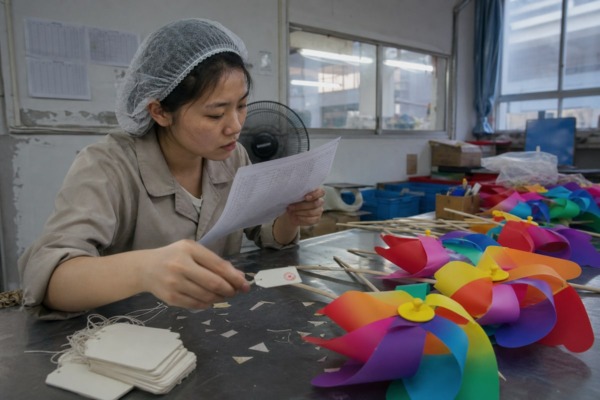
Labeling is where our factory earns its keep. A pinwheel is a simple product — flower-shaped plastic petals, a yellow hub, a wooden dowel stick — but it is legally a children's product in most markets. That means inspectors look for specific marks, and missing marks mean holds. The personal rule we follow on every US order is the same one I give every new buyer: confirm product labels, certifications, and declaration materials before shipping, because label gaps and missing files are exactly what gets cargo detained.
Here is the market-by-market breakdown we use:
| Destination | Key Labeling Requirement | Supporting Document |
|---|---|---|
| United States | Permanent tracking label, age grading, origin marking | Children's Product Certificate with ASTM F963 test report |
| European Union | CE mark, importer details, warnings | EN 71 toy safety test documentation |
| Most markets | "Made in China" origin marking on product and carton | Certificate of Origin in the entry file |
| All sea freight | ISPM 15 stamp on wooden pallets | Fumigation or heat-treatment record |
Wood Components and Biosecurity
Our pinwheel sticks are natural wooden dowels, so we pay extra attention to plant health rules. Wooden pallets must carry the ISPM 15 treatment stamp 4, and we keep cartons sealed and clean so no organic debris, pests, or contaminants ride along. Border biosecurity officers do check for this, and a dirty or infested load can be ordered fumigated or re-exported at the buyer's cost.
Carton Markings That Match Your Paperwork
Every shipping mark on the carton — item number, carton number, quantity, gross weight — must mirror the packing list. During our pre-shipment QC we photograph labeled cartons and send the images to the buyer. This one habit has nearly eliminated packaging disputes and inspection surprises for our US distributors, and it protects against the damaged-packaging claims that hurt everyone downstream.
How do I work with my supplier to prevent customs clearance issues before shipping?
Speed versus certainty is the trade-off I weigh with every distributor. Skipping a pre-shipment document review saves a couple of days, but one uncaught mismatch can cost weeks at the port.
Prevent customs clearance issues by agreeing on Incoterms early, requesting draft documents before loading, confirming HS codes with a licensed customs broker, verifying labels and test reports during pre-shipment inspection, and sharing digital copies of all paperwork so corrections happen before the vessel sails.
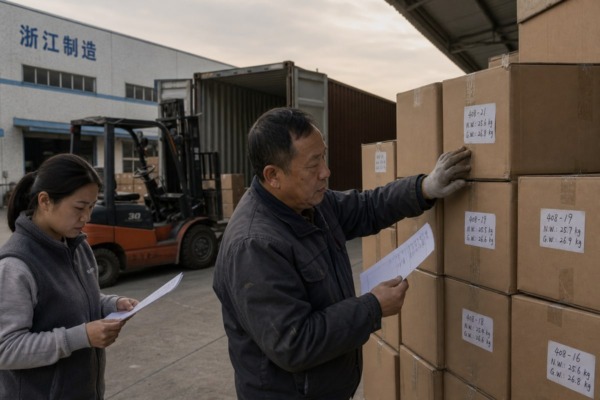
Customs planning should begin at the purchase order, not at the port. That is the biggest mindset shift I ask of new buyers. When clearance is treated as an afterthought, every error is discovered after arrival, when it is slowest and most expensive to fix. When it is built into the order timeline, errors are caught while they are still free to correct. Here is the process we follow with our US and European distributors:
- At order placement: Agree on Incoterms in writing. FOB, CIF, and DDP each split customs responsibility differently, and confusion here causes real disputes. Confirm who acts as importer of record.
- During production: Lock the product description, HS code, and declared value. We share these with the buyer's customs brokerage services partner for review, and some brokers now run AI-driven compliance checks against historical rulings before entry filing.
- Two weeks before loading: Send draft commercial invoice, packing list, and Certificate of Origin. The buyer's broker reviews everything while changes are still easy.
- At pre-shipment inspection: Verify tracking labels, age warnings, origin marks, and ISPM 15 pallet stamps against the document set. Photograph everything.
- At sailing: Share final digital copies of all documents, including the Bill of Lading, so the buyer can pre-file and respond to any customs query within hours, not days.
- At arrival: If a hold happens anyway, identify the exact reason first, compare filed documents for mismatches, and submit corrections through the broker immediately.
This rhythm takes discipline, but it turns clearance from a gamble into a routine. Our repeat buyers tell me it is the main reason their landed costs stay predictable.
Conclusión
Most customs clearance problems for windmills are preventable: classify pinwheels correctly, keep documents consistent, label to destination standards, and plan early with your supplier before the vessel sails.
Notas al pie
1. Official US Customs and Border Protection guide detailing the essential documentation required for the import entry process. ↩︎
2. Detailed explanation of the role and types of Certificates of Origin in international shipping and trade. ↩︎
3. WTO resource explaining the intersection of trade policies and environmental regulations, including renewable energy hardware. ↩︎
4. Official IPPC page for international standards regulating wood packaging materials to prevent the spread of pests. ↩︎
Más artículos
También podrían resultarle útiles.
¿Cómo verificar remotamente las capacidades de producción de una fábrica para componentes enchufables de hierro forjado?
Avoid customs clearance problems for windmills with this guide covering HS codes, key documents, and a pre-shipment checklist…
Leer más →
¿Cómo evaluar la capacidad de producción de una fábrica al obtener insertos de hierro forjado?
Avoid customs clearance problems for windmills with this guide covering HS codes, key documents, and a pre-shipment checklist…
Leer más →
¿Qué preguntas debe hacer a los proveedores de insertos de hierro forjado para detectar a los poco fiables a tiempo?
Avoid customs clearance problems for windmills with this guide covering HS codes, key documents, and a pre-shipment checklist…
Leer más → English
  Spanish
  German
  Arabic