How to Choose a Third-Party Inspection Agency for Wind Turbine Suppliers?
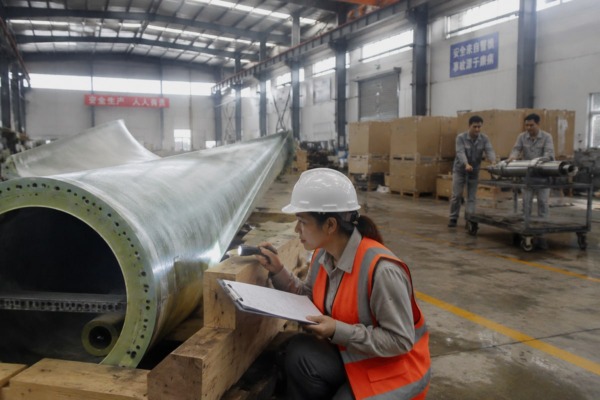
Choosing a third-party inspection agency for wind turbine suppliers is risk control, not paperwork. Weak reports sink projects. I learned this hosting SGS and BV audits at our factory.
Choose an inspection agency that holds ISO/IEC 17020 accreditation as a Type A independent body, proves wind-sector experience with components like blades and main shafts, follows IEC 61400-aligned checklists, covers your suppliers’ locations locally, and delivers evidence-based reports with corrective-action tracking — SGS and BV are proven examples.
That answer sounds simple. Doing it well is not. I have sat on the factory side of the audit table for years in Zhejiang. I have watched great inspectors catch problems early, and I have watched weak ones miss things that cost buyers real money. Below, I break the decision into four practical questions any procurement team can act on.
¿Qué certificaciones debería buscar al seleccionar una agencia de inspección de turbinas eólicas?
Last year, a BV auditor walked our Zhejiang production line for two days. Before booking her, I verified her firm’s accreditation number online. That habit has saved me twice.
Busque la acreditación ISO/IEC 17020 para organismos de inspección, el estado Tipo A que confirma independencia total, e ISO 9001 para la gestión de calidad. Verifique los números de certificado directamente con el organismo de acreditación y prefiera nombres reconocidos internacionalmente como SGS o Bureau Veritas para la producción en fábrica, seguridad y verificaciones de cumplimiento.
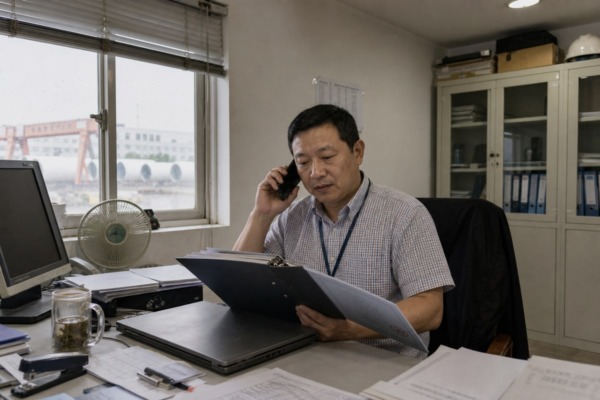
Certifications are the entry ticket. They are not the whole answer, but skipping them is how buyers end up with rubber-stamp reports. From my own experience arranging supplier quality audits, I always start with three layers of proof.
The Three Accreditation Layers That Matter
First, ISO/IEC 17020. This is the accreditation standard written specifically for inspection bodies. It covers impartiality, inspector competence, and inspection procedures. ISO 9001 does not do that job. ISO 9001 only proves the agency manages its own internal quality system. You want both, but 17020 is the one that matters most.
Second, Type A status. Under ISO/IEC 17020, a Type A inspection body 1 must be fully independent. It cannot manufacture, trade, or hold any financial interest in the supplier or the product outcome. Type B and Type C bodies serve their parent organizations. For technical due diligence on wind turbine suppliers, only Type A gives you a truly neutral independent service provider (ISP).
Third, verification. Never accept a logo on a website. Ask for the certificate number and check it directly with the accrediting body. This takes ten minutes and filters out self-claimed credentials fast.
| Credential | Qué demuestra | How to Verify |
|---|---|---|
| ISO/IEC 17020 | Competence as an inspection body | Certificate number checked with the accreditor |
| Type A status | Full independence, no supplier ties | Written confirmation plus conflict-of-interest declaration |
| ISO 9001 | Internal quality management system | Certificate scope and expiry date |
| Sector approvals | Wind or energy inspection scope | Scope statement on the accreditation certificate |
Here is the objection I hear often: some buyers treat accreditation as the finish line. It is not. A certified agency with no wind experience can still write a useless report. Certification tells you the agency is legitimate. The next section tells you whether it is capable.
¿Cómo Puedo Verificar la Experiencia de una Agencia de Inspección con Componentes de Turbinas Eólicas?
During a factory tour, a Texas buyer asked me how to tell real wind expertise from marketing copy. My answer: demand sample reports and inspector CVs first.
Verifique la experiencia solicitando estudios de caso específicos de energía eólica, de uno a tres informes de inspección de muestra y currículos de inspectores que muestren credenciales de END para palas compuestas y ejes principales forjados. Confirme el conocimiento práctico del cumplimiento de la norma IEC 61400, el análisis de palas con drones y la vigilancia de fabricación en fábricas de componentes de turbinas.
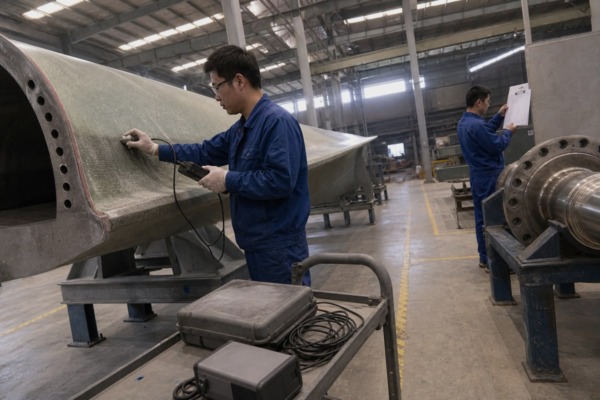
Generic factory auditors and wind-component inspectors are not the same profession. A checklist walker can count boxes and photograph labels. A wind specialist knows why a void in a blade root laminate is a future failure, not a cosmetic note. So how do you separate the two before signing a contract?
Match NDT Methods to Component Risks
Every major turbine component carries a distinct failure mode. The agency you pick should name the right NDT inspection methods 2 for each one without hesitation. Use this table as a screening quiz during your first call.
| Componente | Critical Risk | NDT Method to Expect |
|---|---|---|
| Composite blades | Delamination, voids, fiber misalignment | Ultrasonic testing, thermography, drone visual analysis |
| Forged main shafts | Subsurface cracks, inclusions | Ultrasonic plus magnetic particle testing |
| Tower sections | Weld defects, coating failure | Weld UT, visual inspection, coating thickness checks |
| Gearboxes | Gear tooth flaws, bearing damage | Borescope inspection, vibration analysis |
| Nacelle electrical systems | Wiring and insulation faults | FAT electrical testing, insulation resistance checks |
If the agency cannot discuss turbine blade structural integrity in concrete terms, or cannot explain how its teams verify workmanship against IEC 61400 3 requirements, keep looking. Leading agencies now also deploy autonomous drones for blade surface analysis and AI-driven defect recognition software. Ask whether these tools are in-house capabilities or subcontracted promises.
Specialist or Global Firm?
Buyers often frame this as a hard choice. I see it as a trade-off, not a verdict. A large global firm offers coverage, consistent procedures, and scalable manpower. A niche wind specialist offers deeper component knowledge. My advice: shortlist one of each, request the same sample report from both, and judge the evidence. The report quality will settle the debate for your specific components. Inspector CVs, wind references, and case studies in similar projects should close the decision.
¿Qué estándares de control de calidad debería esperar durante las inspecciones de turbinas eólicas?
Every week on our own line, we weigh speed against depth in QC checks. Wind turbine inspections face the same trade-off, but the stakes are measured in megawatts.
Expect documented QA/QC protocols covering pre-production audits, during-production inspection (DUPRO), FAT and SAT procedures, and pre-shipment verification. Reports should follow IEC 61400-aligned checklists with high-resolution photos, defect classification, corrective-action tracking, and cloud-based portals offering remote witnessing of inspection progress.
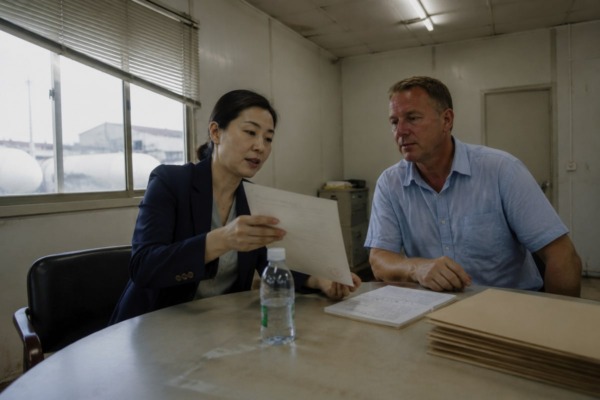
A single pre-shipment check is not a quality system. It is a snapshot taken after every important decision has already been made. Strong agencies structure their work across the full manufacturing lifecycle, and you should expect that structure in writing before the first visit.
The Five-Stage Inspection Lifecycle
- Pre-production audit. The agency reviews the supplier's quality system, material certificates, and process controls before anything is built.
- During-production inspection (DUPRO). Inspectors perform manufacturing surveillance while components are in process, when defects are still cheap to fix.
- FAT and SAT procedures. Factory acceptance tests verify performance before shipment; site acceptance tests confirm it after installation.
- Pre-shipment verification. Final checks on workmanship, packaging, marking, and documentation against the purchase specification.
- Corrective-action follow-up. Nonconformities get logged, assigned, and closed with evidence, not just noted and forgotten.
| Etapa | Core Activity | Deliverable You Should Receive |
|---|---|---|
| Pre-production | Supplier system and material review | Audit report with risk rating |
| DUPRO | In-process manufacturing surveillance | Defect log with photo evidence |
| FAT | Performance testing at the factory | Signed test protocol |
| Antes del envío | Final verification and packaging check | Release or hold recommendation |
| Follow-up | Corrective-action tracking | Closure report per nonconformity |
Modern Standards Go Beyond the Checklist
Expectations are rising, and your agency should keep pace. Ask about ESG and ethical supply chain assessments, since sustainability and labor regulations increasingly apply to component suppliers. Ask whether inspection data outputs are interoperable with digital twin platforms, so findings can feed predictive maintenance models later. Request cloud-based portals with remote witnessing, letting your team watch inspection progress live across time zones. Finally, for modern turbines, a cyber-physical security review of control systems and data-gathering sensors before delivery is becoming a reasonable ask, not an exotic one. Each of these turns inspection from a formality into genuine supply chain risk mitigation.
How Do I Compare Inspection Costs Without Compromising on Quality Assurance?
Years ago, I hired the cheapest audit quote for our export line. The report arrived thin and late. That mistake taught me to price risk, not man-days.
Compare total cost of quality, not day rates. Request itemized quotes covering travel, re-inspection fees, and report turnaround. Bundle pre-production, DUPRO, and pre-shipment stages under one contract, then verify insurance coverage, liability terms, and data ownership before choosing the lower bid.
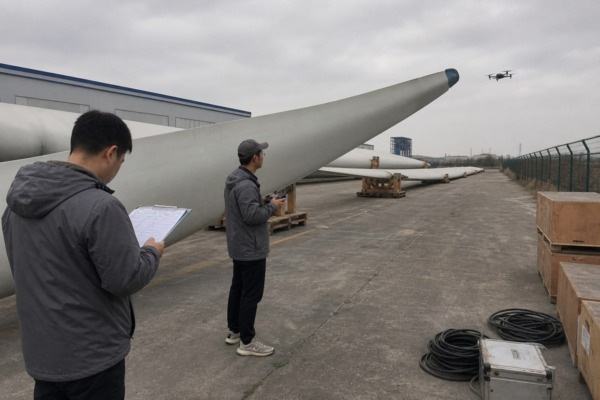
The cheapest quote is rarely the cheapest outcome. In wind supply chains, a missed defect can trigger rework, project delays, warranty disputes, or worse. So the honest question is not "which agency costs less per day?" It is "which agency lowers my total risk per dollar?"
Where Cheap Quotes Hide Their Costs
Low headline rates often conceal fees that surface after signing. I have seen all of these firsthand while arranging third-party inspection agency visits over the years.
| Cost Factor | Low-Bid Trap | What to Require Instead |
|---|---|---|
| Travel expenses | Billed separately, inflated by distant inspectors | Local inspectors near supplier factories |
| Re-inspection fees | Full price charged for every follow-up visit | Discounted or capped repeat-visit rates |
| Report turnaround | Slow delivery that stalls shipment decisions | Committed turnaround, ideally 24–48 hours |
| Scope gaps | Only pre-shipment covered; failures found too late | Bundled lifecycle stages under one contract |
| Weak reports | Vague findings with no corrective-action path | Sample report review before signing |
Geographic coverage deserves special attention here. An agency with local staff in your suppliers' regions cuts travel bills, shortens lead times, and can support urgent or surprise inspections. That responsiveness is a cost lever, not a luxury.
Contract Terms That Protect You
Price talks should end with contract talks. Confirm professional liability insurance 4 and its coverage limits. Clarify who owns the inspection data and photos, since that evidence may support warranty claims or commercial disputes later. Define remedies if the agency misses a documented defect. A slightly higher day rate from an accredited independent service provider with strong terms usually beats a bargain rate with no accountability. That is technical due diligence applied to your own purchasing decision.
Conclusión
From my side of the audit table: verify accreditation, demand wind expertise, insist on lifecycle QC, and price total risk. That is how the right agency earns your trust.
Notas al pie
1. Official homepage of the International Organization for Standardization, which publishes the ISO/IEC 17020 standard for inspection bodies. ↩︎
2. The American Society for Nondestructive Testing is the primary technical authority for NDT standards used in wind turbine inspections. ↩︎
3. The International Electrotechnical Commission is the leading global organization that prepares and publishes international standards for wind turbines. ↩︎
4. SGS is a leading global inspection and certification company providing professional liability and risk management services for industrial projects. ↩︎
Más artículos
También podrían resultarle útiles.
¿Cómo verificar remotamente las capacidades de producción de una fábrica para componentes enchufables de hierro forjado?
Elegir una agencia de inspección de terceros para proveedores de turbinas eólicas exige acreditación ISO/IEC 17020, experiencia en el sector y evidencia basada en….
Leer más →
¿Cómo evaluar la capacidad de producción de una fábrica al obtener insertos de hierro forjado?
Elegir una agencia de inspección de terceros para proveedores de turbinas eólicas exige acreditación ISO/IEC 17020, experiencia en el sector y evidencia basada en….
Leer más →
¿Qué preguntas debe hacer a los proveedores de insertos de hierro forjado para detectar a los poco fiables a tiempo?
Elegir una agencia de inspección de terceros para proveedores de turbinas eólicas exige acreditación ISO/IEC 17020, experiencia en el sector y evidencia basada en….
Leer más → English
  Spanish
  German
  Arabic