
كيف تؤدي متطلبات المواصفات إلى ارتفاع تكاليف الشراء لحشوات الحديد المطاوع؟
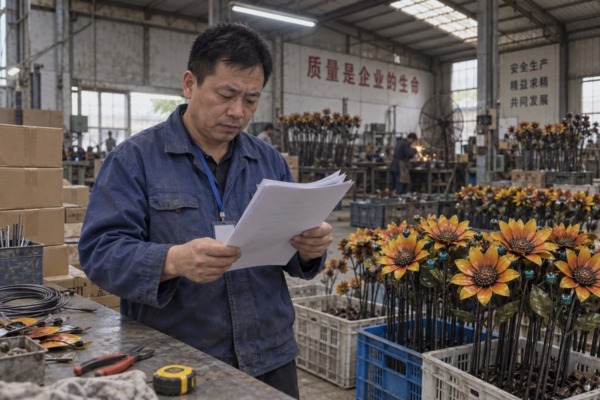
في الربيع الماضي، أرسل أحد الموزعين إلى ورشتنا في تشجيانغ مواصفات من اثنتي عشرة صفحة لحشوات الحدائق. تضاعفت التسعيرة ثلاث مرات بين عشية وضحاها. متطلبات المواصفات تضخم تكاليف الشراء بصمت لـ[حشوات الحديد المطاوع](https://zhufengpinwheels.com/?p=1466).
تؤدي متطلبات المواصفات إلى ارتفاع تكاليف الشراء للحشوات الحديدية المطاوع لأن كل تفاوت أو تشطيب أو قاعدة تفتيش مضافة تدفع الجزء بعيدًا عن تسعير السلع الأساسية نحو التصنيع المخصص. تضيف المواد غير القياسية، والطلاءات المتخصصة، وعمليات فحص مراقبة الجودة الصارمة كل منها تكاليف الإعداد، والعمالة، ومخاطر الرفض إلى عرض السعر.
دعني أرشدك إلى أين تختبئ هذه التكاليف. سأستخدم أنماطاً حقيقية من عملية التسعير الخاصة بنا. في النهاية، ستعرف أي بنود المواصفات يجب الإبقاء عليها وأيها يجب حذفها.
كيف تؤدي متطلبات التفاوتات الصارمة والتشطيب إلى زيادة تكاليف إدراجي المصنوع من الحديد المطاوع؟
رفض فريق مراقبة الجودة لدينا ذات مرة رفاً كاملاً من أوتاد الحدائق المطلية بالمسحوق 1 لأن مواصفات العميل سمحت بتباين نصف ملليمتر فقط. استهلكت إعادة العمل أسبوعاً كاملاً.
تؤدي متطلبات التفاوتات الصارمة والتشطيب إلى زيادة تكاليف حشوات الحديد المطاوع من خلال فرض طرق إنتاج أبطأ، وعمالة أكثر مهارة، وفحوصات إضافية لمراقبة الجودة، ومعدلات هدر أعلى. تتطلب التفاوتات الأبعادية الضيقة أدوات دقيقة، بينما تضيف التشطيبات مثل الجلفنة بالغمر الساخن مع الطلاء البودري خطوات معالجة منفصلة ورسوم مناولة.
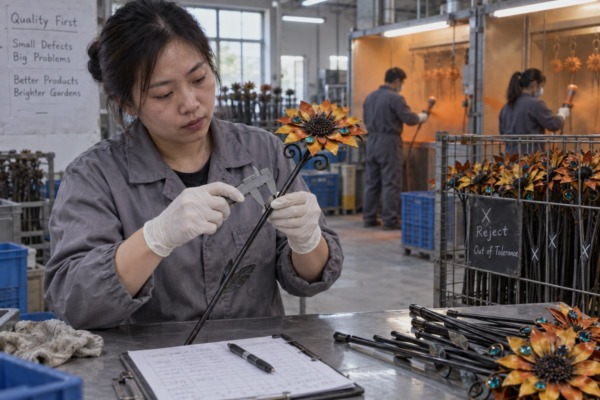
المشكلة الأساسية بسيطة. التسعيرة ليست رقماً واحداً. إنها كومة من دلاء التكلفة: سعر المادة، سعر العمالة، المواد الاستهلاكية، وقت الآلة، التكاليف العامة للتصنيع، والهامش. تفاوت ضيق واحد يمس عدة من تلك الدلاء في وقت واحد. لهذا السبب يمكن لسطر صغير في ورقة المواصفات أن يحرك السعر كثيراً.
إلى أين يذهب المال عندما تضيق التفاوتات
عندما التفاوتات الأبعادية 2 تتقلص، يجب على مشغلينا إبطاء خط الثني. نبني fixtures إضافية. نقيس أكثر. نتلف المزيد من القطع. في تجربتنا في تسعير الحشوات المعدنية الزخرفية للمشترين الأمريكيين والأوروبيين، تكون أكبر ثلاث نقاط تكلفة دائماً هي نفسها: سماكة الأنابيب غير القياسية وزوايا الانحناء الخاصة، المعالجات السطحية المتخصصة مثل الجلفنة السميكة جداً أو الألوان المخصصة، والتفاوتات الصارمة مقترنة بمتطلبات الفحص الكامل. أي شيء يخرج عن قوالبنا الحالية ومخزون المواد الخام يضيف رسوماً إضافية. الفحص الكامل مكلف بشكل خاص. فحص العينات يختبر بضع وحدات لكل كرتون. متطلب فحص 100% يعني أن كل حشوة يتم التعامل معها وقياسها وتسجيلها. تلك العمالة تقع مباشرة على فاتورتك.
كومة التشطيبات
تتراكم التشطيبات بنفس الطريقة. الجلفنة بالغمر الساخن هي عملية مصنع واحدة. تشطيبات الطلاء بالمسحوق بدرجة معمارية هي أخرى. اجمع بينهما، وتدفع مقابل جولتين من التحضير والمعالجة والنقل بين المصانع ورسوم المناولة. الألوان المخصصة تضيف المزيد. يجب على المطلي شراء مسحوق جديد وتنظيف خط الرش فقط لدفعتك.
| متطلب المواصفات | ما يتغير في الإنتاج | تأثير التكلفة |
|---|---|---|
| تفاوتات أبعادية ±0.5 مم | دورات أبطأ، fixtures جديدة، قياس أكثر | تكلفة عمالة وخردة أعلى |
| جلفنة بالغمر الساخن + طلاء بالمسحوق | عمليتا مصنع، مناولة مزدوجة | رسوم معالجة وشحن إضافية |
| زنك سميك جداً أو لون مخصص | تغيير خط الطلاء لدفعات صغيرة | رسوم إضافية لكل دفعة |
| فحص 100% بدلاً من أخذ العينات | كل وحدة يتم فحصها وتسجيلها | عمالة وتكاليف عامة أعلى لمراقبة الجودة |
هل يجب أن أختار المواصفات المخصصة أم المقاسات القياسية للحفاظ على ميزانية المشتريات لدي منخفضة؟
في كل مرة نجهز زاوية انحناء جديدة في مصنعنا في تشجيانغ، أوازن تكلفة القالب مقابل إعادة الاستخدام. تلك المقايضة الواحدة تحدد ما إذا كانت التخصيصات تستحق العناء.
Choose standard sizes whenever the insert only needs to look good and survive outdoors; they cost less, ship faster, and meet minimum order quantities easily. Choose custom specifications only when exact fitment, code compliance, or brand-specific design justifies the tooling, setup, and longer lead time.
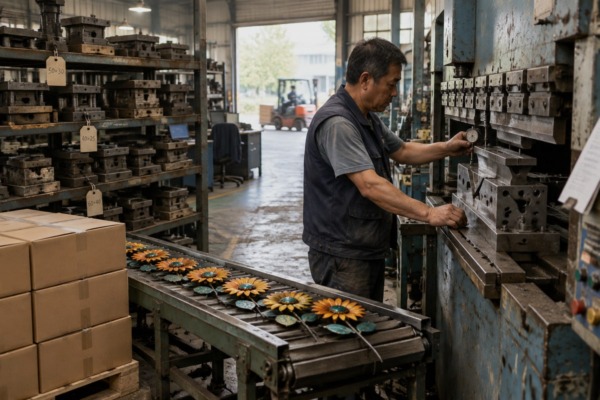
إليك كيف يتقارن المساران جنباً إلى جنب:
| العامل | الأحجام القياسية | المواصفات المخصصة |
|---|---|---|
| الأدوات | القوالب الحالية، بدون رسوم إعداد | قوالب جديدة، رسوم إعداد لمرة واحدة |
| الحد الأدنى لكميات الطلب | سهلة التلبية، دورات إنتاج مشتركة | غالباً أقل من الحد الأدنى للمصنع، تكلفة عالية لكل وحدة |
| وقت التسليم | أيام إلى بضعة أسابيع | حوالي 6-12 أسبوعاً أو أكثر |
| أساس التسعير | تسعير السلع | تسعير التصنيع الخاص بالمشروع |
| التغليف | كراتين قياسية | Custom crating, specialized transport |
The market itself is splitting along this line. Cheap standardized metal inserts 3 sit on one side. Premium custom ornamental metalwork 4 sits on the other, priced far higher because of specialization and low volume. One retail example makes the point well: a current entry-door wrought iron insert listing runs about $884.68 to $1,347.28 per unit. Generic metal components covering the same opening cost a fraction of that. The difference is not the metal. It is the specification detail behind it.
From our side of the production line, the biggest custom cost drivers are non-standard tube wall thickness and special bend angles. Both force us off our existing raw material stock. Orders that fall below our normal manufacturing minimums are worse still, because machine setup and tooling get spread across very few units. And do not forget supply chain logistics. Oversized or odd-shaped inserts need custom-designed crating and special freight, which can nearly double the total landed cost.
My honest advice? Take the middle path. Keep the body standard and customize only the visible layer, such as color or a decorative motif. That preserves your brand look while your budget stays close to commodity pricing.
A US procurement manager once messaged me on WhatsApp asking why our quote and a competitor's differed by forty percent on identical drawings. Hidden specification costs explained everything.
اطلب من مورّدك تقسيم كل عرض سعر إلى سعر أساسي بالإضافة إلى رسوم إضافية بندًا بندًا لكل تخصيص. ثم اسأل عن المتطلبات التي تتوافق مع أدواتهم ومخزون المواد الحالي، وما الفحوصات المشمولة، وكيف يتم تسعير التغليف، وكيف يؤثر كل بند من المواصفات على مدة التسليم.
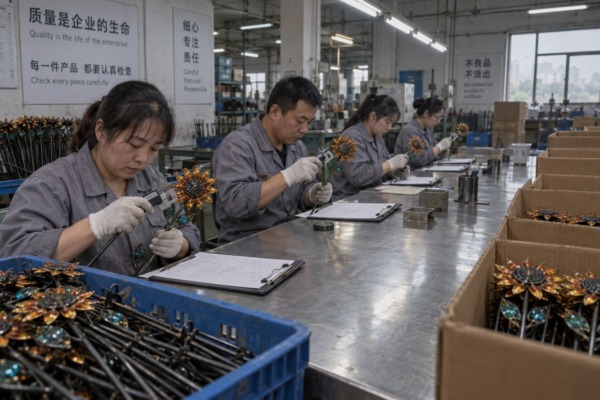
The single most useful habit I teach buyers is the split quote. When a factory quotes one lump sum, every customization hides inside it. When the quote reads as a base-model price plus a separate surcharge for each custom item, you see the cost increment of every requirement at a glance. We offer this format to our own distributors, and it changes negotiations completely. Suddenly the conversation is not "too expensive" but "which three lines do we cut?"
Here are the questions I would ask any supplier of wrought iron inserts, in order:
- Can you break the quote into a base price plus per-customization surcharges? This exposes exactly which spec lines drive the cost.
- Which of my requirements fit your existing tooling and raw material inventory? Anything outside current molds and stock will carry a premium. Ask them to flag those items.
- What inspection level is included in the price? Sampling is standard. Full quality control inspections, material mill certificates, or non-destructive testing add real administrative and technical overhead, so get those priced separately.
- Who pays for third-party lab work? Metallurgical tests such as Charpy V-notch verification require outside laboratories and are never free.
- Is this a fully loaded price? More buyers now demand quotes that include shop drawings, coatings, and packaging, because hidden specification items often dominate the final number.
- How does each requirement change lead time? A custom finish that adds four weeks carries scheduling cost, storage risk, and delay premiums that never appear on the invoice.
Ask these six questions before you sign, and overly detailed specifications lose their power to surprise you.
كيف أعرف أي متطلبات المواصفات ضرورية حقًا مقابل الهندسة المفرطة غير الضرورية؟
I once quoted an over-specified order that taught me a spec sheet can cost more than the steel itself. Now our team questions every requirement before pricing.
تكون المواصفة ضرورية حقًا عندما تحمي السلامة، أو الملاءمة الإنشائية، أو عمر مقاومة التآكل، أو الامتثال القانوني. وتكون إفراطًا هندسيًا عندما تتجاوز ظروف الخدمة الفعلية للمنتج—مثل تفاوتات درجة التشغيل الآلي على الأجزاء الزخرفية، أو درجات المواد الغريبة، أو الاختبار المعدني الكامل لملحقات الحدائق الزخرفية.
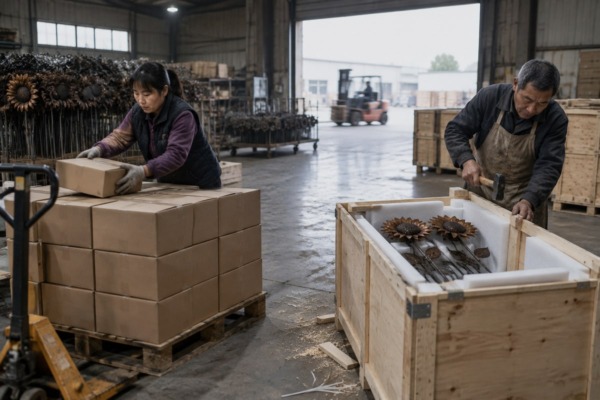
Buyers often push back on me here, and the objection deserves a fair answer. They say strict specs protect safety, structural integrity, and long service life, so higher upfront cost reduces lifecycle cost and failure risk. That is true—for the right parts. An insert embedded in concrete and carrying load absolutely deserves a referenced ASTM standard, a defined material grade, and documented inspection. I will never argue against that.
But most of the inserts we ship to the US, South America, and Europe are decorative. They hold up ornamental metalwork in a yard, not a balcony railing. For those parts, the supplier viewpoint holds: over-specification creates unnecessary customization, slows production, and inflates price without proportional value. The honest middle ground is that cost rarely comes from the iron itself. It comes from the combination of custom dimensions, finish requirements, and compliance paperwork stacked on one part.
Use this table as a sanity check:
| Requirement | Usually necessary when… | Usually overengineering when… |
|---|---|---|
| Genuine wrought iron callout | Heritage restoration demands it | Mild steel performs identically for decorative duty |
| Charpy V-notch or NDT testing | The insert bears structural load in cold climates | The part is a garden ornament |
| Marine-grade duplex coating | Coastal, high-corrosion installation | A standard powder coat already outlasts the product's retail life |
| Internal channels for lighting or sensors | The feature earns a clear retail premium | It complicates forging with no sales upside |
| Audited low-carbon "green" iron | Your brand publicly commits to it | No customer will ever ask for proof |
My decision test is one question: if I delete this line, does safety, fit, lifespan, or legal compliance change? If the answer is no, it is a nice-to-have. Price it as one, or cut it.
الخاتمة
إن spec sheet sets the price, not the steel. Cut requirements to real service needs, demand split quotes, and your wrought iron insert procurement budget stays firmly under control.
مهتم بتوريد المنتجات المذكورة في هذه المقالة؟ اطلع على التفاصيل واطلب عرض سعر هنا:
الحواشي
1. The Powder Coating Institute is the primary technical resource for powder coating quality and application standards. ↩︎
2. ISO provides international standards for geometrical product specifications and dimensional tolerances in manufacturing. ↩︎
3. The International Trade Administration provides resources on international trade standards and compliance for manufactured goods. ↩︎
4. NOMMA is the leading trade association providing technical standards and resources for the ornamental metal industry. ↩︎
المزيد من المقالات
قد تجد هذه مفيدة أيضًا.

كيفية التحقق عن بُعد من قدرات إنتاج المصنع لمكونات التوصيل المصنوعة من الحديد المطاوع؟
Specification requirements like tight tolerances, custom finishes, and full inspections quietly triple wrought iron insert costs—learn which spec…
اقرأ المزيد →
كيفية تقييم قدرة إنتاج المصنع عند توريد إدخالات الحديد المطاوع؟
Specification requirements like tight tolerances, custom finishes, and full inspections quietly triple wrought iron insert costs—learn which spec…
اقرأ المزيد →
ما الأسئلة التي يجب أن تطرحها على موردي إدخالات الحديد المطاوع لاكتشاف غير الموثوقين مبكرًا؟
Specification requirements like tight tolerances, custom finishes, and full inspections quietly triple wrought iron insert costs—learn which spec…
اقرأ المزيد → English
  Spanish
  German
  Arabic