
How to Verify Authenticity of Test Reports When Purchasing Wind Turbines?

A fake wind turbine test report can sink an entire order. I run export QC at our Zhejiang factory, and I have watched forged paperwork destroy buyer trust overnight.
To verify a wind turbine test report, request the original digital file, confirm the laboratory’s ISO/IEC 17025 accreditation and scope, match the report’s model and serial numbers to your exact batch, and validate the document directly with the issuing lab or through the IECRE database.
That answer sounds simple. In practice, each step has traps. This guide walks through the documents, the [accreditation](https://zhufengpinwheels.com/?p=787) checks, the red flags, and the batch matching. It treats verification as technical due diligence, not a paperwork exercise. Let us start with what to request.
What Documents Should I Request to Confirm a Wind Turbine Test Report Is Genuine?
Last spring, a US distributor asked me why I insist on original files instead of scans. My answer came from years of vetting supplier paperwork on our own production line.
Request the original PDF test report with report number and revision history, the laboratory's ISO/IEC 17025 accreditation certificate and scope, the Type Certification or component certificates referencing the report, the tested turbine's serial number records, and written confirmation from the issuing laboratory.
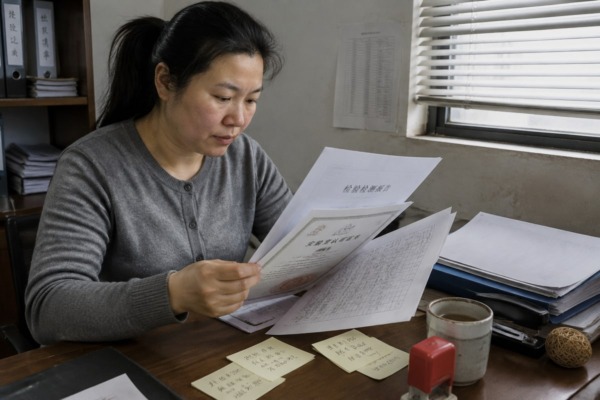
A single PDF proves very little on its own. Authenticity has four layers. The document must be real and unedited. The lab must have actually issued it. The lab must have been accredited for that test at the time. And the report must apply to the exact turbine being sold. Your document package should cover all four layers at once.
The Core Document Package
Here is the set I recommend requesting before any deposit changes hands.
| Document | What It Proves | Format to Demand |
|---|---|---|
| Original test report PDF | Content is complete and unaltered | Native digital file, not a scan |
| Report number and revision history | The document is traceable at the issuer | Listed on every page |
| Lab accreditation certificate and scope | The lab was competent for this test | Current at the time of testing |
| Type Certification or component certificates | The report sits inside a recognized workflow | Issued by a certification body |
| Serial number and software revision records | The tested unit is identified | Matches the certification file |
| Issuer confirmation letter or database entry | The report exists in the issuer's system | Direct from the lab, not the seller |
Certification guidance 1 for wind turbines is specific here. A credible report should state the test turbine serial number 2, the software revisions, any differences between the test turbine and the certified type, and any significant unexpected behavior during testing. Component test reports for blades, gearboxes, or converters should follow the same logic under the relevant IEC 61400 standards.
Why Copies Are Not Enough
My own rule, learned the hard way, is blunt: reject photocopies and reject altered reports outright. A copy strips out digital signatures and metadata. It also makes edits invisible. If a supplier can only produce a scan, I treat the report as unverified until the issuing lab confirms it directly.
How Can I Check If the Testing Lab Behind My Supplier's Report Is Accredited?
Every quarter, we audit the third-party labs that test our pinwheels and garden decorations before we book a single sample slot. Wind turbine buyers need the same habit, at higher stakes.
Search the laboratory's name in its national accreditation body directory, confirm ISO/IEC 17025 accreditation covering the specific IEC 61400 test standard, run an IECRE certificate search for the report number, and verify the issuer is a recognized certification body such as DNV, UL Solutions, or TÜV Rheinland.

Accreditation is the backbone of report credibility. Wind certification frameworks require test reports to conform to ISO/IEC 17025, and certification bodies may require all test reports to come from accredited or recognized laboratories. So this check is not optional. It is the foundation everything else rests on.
Accreditation vs. Accreditation Scope
Here is the trap most buyers fall into. They confirm the lab is accredited and stop there. The real question is narrower. Is the lab accredited for this exact wind-related standard? A lab may hold ISO/IEC 17025 accreditation 3 for chemical testing yet have no scope for IEC 61400-12-1 power performance measurement or IEC 61400-23 full-scale blade testing. An accredited testing laboratory without the right scope gives you a genuine-looking report with no technical weight.
Some suppliers will push back. They argue that a branded report from a famous lab is sufficient on its own. I understand the appeal, but the counterpoint is firm: a real issuer does not guarantee applicability. You still need to verify the scope, the product identity 4, and the report status. A big logo answers only one of the four authenticity layers.
| Verification Channel | What It Confirms | Typical Effort |
|---|---|---|
| National accreditation body directory | Lab holds valid ISO/IEC 17025 status | Minutes, free |
| Lab's published scope document | Coverage of the specific IEC 61400 standards | Minutes, free |
| IECRE certificate search | Certificate or report exists in the renewable energy scheme | Minutes, free |
| Certification body registrar contact | Report not suspended, withdrawn, or modified | One to three days |
| Issuer verification portal or directory | The document matches the issuer's records | Minutes, often free |
Timing matters too. Accreditation must have been valid when the test was performed, not just today. I always check the dates on both documents side by side.
What Red Flags Suggest a Wind Turbine Test Report Has Been Altered or Faked?
Years ago, I nearly accepted a doctored certificate from a sub-supplier of our metal windmill stakes. The forged stamp looked perfect. That close call taught me to trust files, not paper.
Red flags include scanned-only or image files replacing the original PDF, missing report or revision numbers, absent serial numbers and software revisions, no named test standard, inconsistent PDF metadata dates, failed digital signature verification, and reports that cannot be found in the issuer's database.
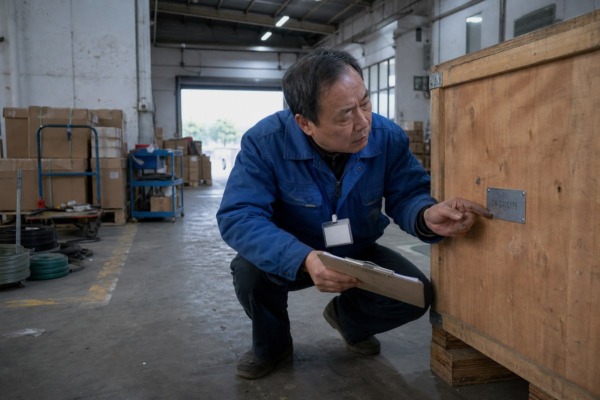
Forgeries range from crude to sophisticated. Some are obvious edits. Others are technically real reports presented in misleading ways. You need to catch both types, so split your checks into document red flags and data red flags.
Document Red Flags
These signals point to tampering with the file itself.
| Red Flag | What It Suggests | Recommended Action |
|---|---|---|
| Only a scan, screenshot, or DOC file exists | Original may have been edited before scanning | Demand the native PDF or reject |
| No report number or revision history | Document cannot be traced at the issuer | Treat as unverified |
| Digital signature verification fails | File was modified after signing | Reject and query the lab |
| PDF metadata shows image-editing software or odd modified dates | Forensic evidence of alteration | Run a metadata audit, escalate |
| No entry in the issuer's database or QR code mismatch | The issuer never produced this document | Stop the purchase |
Modern reports increasingly carry QR codes or blockchain-based verification links that point to the live online version. Scan them. Compare every field. This shifts verification from after-the-fact inspection to instant confirmation.
Data Red Flags
Some reports pass every document check yet still mislead. Generic wording that never identifies the actual turbine tested is one signal. Another is a test sample that differs from the commercial product, which is exactly why certification guidance demands a declared list of differences. Sharper buyers go further. They request the raw type-testing data sets to confirm the statistical distribution matches the summary. They cross-reference the test site's historical meteorological data against the report's stated conditions to detect cherry-picked high-wind windows. Some even validate results against the turbine's digital twin model for mathematical consistency.
How Do I Make Sure the Test Report Matches the Exact Batch I'm Purchasing?
Speed versus rigor is the trade-off I weigh on every OEM order leaving our Zhejiang warehouse. A fast deal favors accepting PDFs at face value. Batch traceability always wins that argument for me.
Match the report's turbine model, serial number, software revision, and configuration against the nameplate and sales contract, confirm any deviations from the certified type in writing, and tie verification to a Factory Acceptance Test before releasing deposits or final payment.

A verified report for the wrong batch protects nobody. This is the layer I see buyers skip most often, and it is the one my own insight rests on: check the lab's qualifications, then the product model, then the batch, and confirm all three with the testing agency itself. Here is the process I recommend, in order.
- Pull the identity fields from the report. Record the model, serial number, software revision, and tested configuration exactly as written.
- Compare against the offer. The sales contract, the spec sheet, and the nameplate data must all agree. One character of difference in a model code deserves a written explanation.
- Run power curve verification. Cross-check the report's power curve and acoustic emission figures against the manufacturer's official technical data sheet. Mismatched numbers mean a different machine or a different configuration.
- Document declared deviations. If the test turbine differed from your units, demand a signed statement listing every difference and its impact.
- Anchor verification to the Factory Acceptance Test. Confirm serial numbers physically at FAT, before shipment, when problems are still cheap to fix.
- Commission an independent engineering review for large orders. For bulk purchases or imported turbines, a third-party engineer can link summary reports back to the underlying measurement reports.
- File everything. Keep verification records, issuer confirmations, and screenshots in the purchase file. Auditors and insurers will ask.
Build these steps into the contract itself. Make deposit release conditional on issuer confirmation. Make final payment conditional on batch-level matching at FAT. Suppliers who resist those clauses are telling you something important.
Conclusion
Fake or mismatched wind turbine test reports drain budgets and stall projects. Verify the lab, the scope, and the exact batch before paying. I apply that same rule every day.
Footnotes
1. The IEC System for Certification to Standards Relating to Equipment for Use in Renewable Energy Applications. ↩︎
2. The International Electrotechnical Commission develops the 61400 series standards for wind turbine testing and reporting. ↩︎
3. Official site for the international standard governing the competence of testing and calibration laboratories. ↩︎
4. A global safety science leader and recognized certification body providing testing and validation for wind energy systems. ↩︎
More Articles
You might also find these helpful.

What Fire Retardant Certifications Should I Check When Buying Pinwheels?
Verify wind turbine test reports by checking ISO/IEC 17025 lab accreditation, matching serial numbers, and confirming directly with…
Read More →
How to Check if Pinwheel/Windmill Materials Contain Harmful Chemicals?
Verify wind turbine test reports by checking ISO/IEC 17025 lab accreditation, matching serial numbers, and confirming directly with…
Read More →
How Can I Tell If a Supplier's Quote Includes Certification Fees?
Verify wind turbine test reports by checking ISO/IEC 17025 lab accreditation, matching serial numbers, and confirming directly with…
Read More → English
  Spanish
  German
  Arabic