
我如何判断供应商的付款条件是否合理?

当我开始为我们浙江工厂的风车订单报价时,供应商付款条件也让我困惑。买家害怕损失定金。我们害怕货物收不到款。总有一方感到风险暴露。
当供应商的付款条件与风险、订单规模、关系阶段和行业惯例相匹配时,就是合理的。定制商品的标准做法是30%定金、发货前付清余款;Net 30适合已有合作关系;要求通过无法追踪的渠道100%预付是危险信号。
这是简短回答。下面,我将用我们出口业务中的真实数字和真实场景,逐部分拆解,以便你判断收到的任何报价。
从可靠的风车供应商那里,我应该期待什么样的付款条件?
去年春天,一位来自德克萨斯州的首次买家问我,为什么我们一定要收定金。她之前的供应商曾提供赊账。那家供应商后来在生产中途消失了。
可靠的供应商通常要求首次订单支付30%定金,70%余款在发货前付清。在3–6个月的按时付款后,Net 30条款成为合理的基准,而Net 45或Net 60则适合量大、可预测、经常性的订单量。
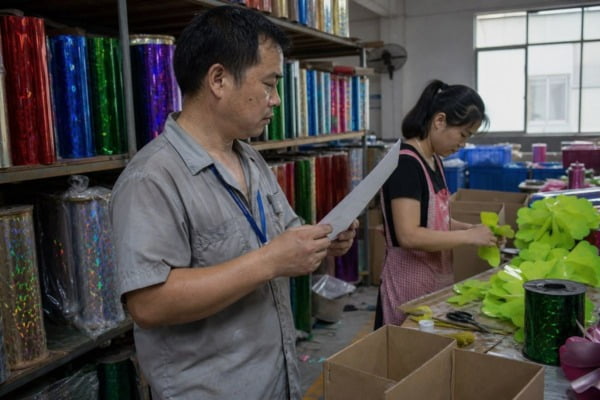
付款条件不是一个数字。它们是一套组合:时间安排、定金、提前付款折扣和逾期付款罚金。根据我们向美国、南美和欧洲出口风车及风车串的经验,合适的组合取决于关系处于什么阶段。贸易信用是赢得的,不是第一天就给的。
按关系阶段划分的谈判阶梯
以下是我们实际使用的阶梯,它与常见行业基准相符:
| 关系阶段 | 典型条件 | 为何合理 |
|---|---|---|
| 新买家,首单 | 30%定金,70%发货前付清 | 双方都还没有交易记录 |
| 新买家,小批量试单 | COD或Net 15 | 金额低,对双方风险都低 |
| 3–6个月按时付款 | Net 30或Net 45 | 付款历史证明贸易信用合理 |
| 高销量、经常性买家 | Net 45或Net 60 | 销量和可预测性抵消融资成本 |
| 大型季节性订单或一次性订单 | 里程碑付款(例如30-40-30) | 付款与实际生产进度挂钩 |
也要注意国家背景。英国指引规定,如果未约定日期,默认付款期为30天,并且 B2B合同条款 1 一般不应超过60天,除非明确约定且并非严重不公平。因此,"合理"也取决于司法管辖区,而不仅仅是谈判风格。
还有一个基准。美国一般B2B将Net 30条款视为常见基线,而重制造业和建筑业通常采用Net 60至Net 90。像我们风车这样的装饰品更接近Net 30一侧,因为生产周期短。
我如何判断定金比例是否过高或风险过大?
我在每份报价中权衡的取舍很简单:定金必须覆盖我们的原材料支出,但绝不能使买家承担我们的全部风险。
30% 定金是定制订单的行业惯例。对于高度定制化的设计或波动较大的材料成本,高达 50% 的定金可能是合理的。超过 50% 的任何比例都会将过多风险转移给你,值得仔细审查,尤其是在没有里程碑保护的情况下。
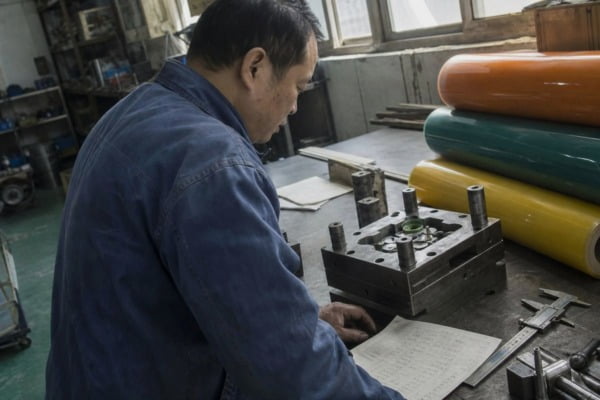
为什么30%这个数字反复出现?因为它大致匹配工厂在生产锁定前的支出。当我们生产定制风车订单时——比如,买家品牌颜色的全息花瓣——我们会预先购买薄膜、印版和注塑模具。定金覆盖这一风险敞口。它是成比例的。这就是检验标准:当定金反映供应商真实沉没成本时是合理的,当超过它时就是不合理的。
按订单类型划分的定金基准
| 订单场景 | 合理定金范围 | 若更高则风险信号 |
|---|---|---|
| 现货设计,返单 | 0–20% | 供应商可能有现金流问题 |
| 标准定制订单 | 30% | 超过40%需要理由 |
| 重度定制或新模具 | 30–50% | 要求模具成本明细 |
| 投入成本波动(薄膜、树脂) | 30–50%,或50/50拆分 | Request price-lock in return |
| Milestone structure for big orders | 30-40-30 tied to stages | Milestones must map to real deliverables |
The Channel Matters as Much as the Percentage
Here is a rule I insist on from my own experience: pay deposits only through legal, traceable payment channels. That means a bank transfer to the company's corporate account — the name on the account should match the name on your contract and invoice. I have heard too many stories of buyers wiring deposits to a "sales manager's" personal account and having zero recourse afterward. A legitimate factory will never resist corporate-account payment. If a supplier pushes you toward personal accounts, cash apps, or untraceable transfers 2, the percentage no longer matters. Walk away.
Also weigh currency risk. During periods of high FX volatility, shortening payment terms for international vendors reduces the hidden risk premium suppliers bake into unit pricing. A smaller deposit paid sooner can beat a larger one paid later.
我应该信任那些在生产前要求全额付款的供应商吗?
A procurement manager once forwarded me a competitor's quote demanding 100% before production, at a price 15% below ours. She asked if the deal was too good to be true. It was.
不。在大多数情况下,要求在生产前100%付款是一个重大危险信号。它们可能表明财务不稳定或欺诈意图。合法的例外情况很少:极小的样品订单,或长期信任的合作伙伴为获得折扣而选择预付款。

Let me be clear about my own position, because it may sound contradictory. Our factory does require prepaid deposits — that is normal and I defend it. But a deposit and full prepayment are completely different animals. A 30% deposit shares risk. A 100% upfront demand transfers all risk to you before a single petal is die-cut.
Think about what full prepayment removes from the relationship. You lose your only leverage over quality. If the shipment arrives with warped spinner hubs or faded film, the supplier already has your money. You lose your leverage over schedule. Shipping delays hurt far more when nothing motivates the factory to prioritize your container. And you lose your legal position, because you performed your entire contractual obligation before the supplier performed any of theirs.
The Few Legitimate Exceptions
- Sample orders under a few hundred dollars, where invoicing costs exceed the risk.
- A buyer voluntarily prepaying to capture a meaningful early payment discount.
- A supplier burned by that specific buyer's past non-payment — which says more about the buyer.
Questions to Ask Before You Consider It
If a supplier insists on full prepayment, ask why in writing. Ask for a factory audit, verifiable business licenses, and references from buyers in your market. Ask whether they will accept an escrow or milestone alternative instead. A genuine factory with real production capacity will usually accept 30/70 for a serious buyer, because the deposit already covers their material exposure. A supplier who refuses every risk-sharing structure, while dangling an unusually low price, fits the classic fraud pattern: collect money, deliver nothing or deliver junk. Cheap plus prepaid plus untraceable is the most expensive combination in sourcing.
如果出现问题,哪些付款条件才能真正保护我的业务?
The lesson that shaped our contract template came from a damaged-packaging claim years ago. Because the balance payment was tied to a pre-shipment inspection, the buyer had leverage — and we fixed everything before the container left Ningbo.
与已验证交付成果挂钩的里程碑付款最能保护您:30% 定金,仅在通过检验后释放余款,所有条款写入合同,通过可追溯的企业银行渠道支付,并约定双方针对缺陷、延误和逾期付款违约金的救济措施。

Protection does not come from paying less. It comes from tying money to proof. Every stage of payment should correspond to something you can verify: an approved sample, a passed inspection report, a bill of lading. This is basic accounts payable optimization, but many buyers skip it because it feels adversarial. It is not. Our best customers use these structures, and we prefer them too, because they remove ambiguity for both sides.
A Protective Payment Structure, Stage by Stage
| 阶段 | Payment | What You Verify First |
|---|---|---|
| Contract signing | 30% deposit | Corporate account name matches the contract |
| 产前 | 0% | Approved pre-production sample, in writing |
| Mid-production (large orders) | Optional 40% | Photo or video evidence of production progress |
| 出货前 | Balance (70% or 30%) | Third-party or buyer QC inspection passed |
| Post-delivery (mature relationships) | Net 30 balance | Goods received and checked in your warehouse |
Match Terms to Your Cash Conversion Cycle
Protection also means protecting your own cash flow management. Run this practical test: if you pay suppliers in 30 days but collect from your customers in 90, you carry a 60-day funding gap that supplier terms must help close. Track your Days Payable Outstanding against your collection cycle, and negotiate terms that keep your working capital cycle balanced rather than chasing the longest possible window.
Also do the discount math. A 2/10 Net 30 offer equates to roughly a 37% annualized return. If your cost of capital 3 is lower than that, paying early is not generosity — it is one of the best investments on your books. Supply chain finance tools can bridge the gap when it is not.
Finally, put everything in the contract or master agreement, not just on invoices. Procurement negotiation only counts when it is documented: payment window, deposit percentage, inspection rights 4, remedies for defects, and penalties for delay on both sides. Symmetry is the fairness test — if the supplier wants late payment penalties from you, you deserve delay penalties from them.
结论
Reasonable supplier payment terms balance risk on both sides: a fair deposit, milestone-linked balances, traceable corporate payment channels, and written contracts. Anything that forces one party to finance the other is not.
脚注
1. Authoritative guide on international payment methods and standard commercial terms in global trade. ↩︎
2. Official US government resource for identifying and avoiding fraudulent payment methods and scams. ↩︎
3. Definition of the financial metric used to evaluate the trade-off between early payment and financing costs. ↩︎
4. Overview of quality assurance and inspection processes used to verify deliverables in manufacturing contracts. ↩︎
更多文章
你可能也会觉得这些有帮助。

如何远程验证锻铁插入式组件工厂的生产能力?
Learn how to evaluate a supplier's payment terms by risk, order size, and relationship stage, with real deposit…
阅读更多 →
采购锻铁嵌件时如何评估工厂的生产能力?
Learn how to evaluate a supplier's payment terms by risk, order size, and relationship stage, with real deposit…
阅读更多 →
应该向锻铁嵌件供应商提出哪些问题以尽早识别不可靠的供应商?
Learn how to evaluate a supplier's payment terms by risk, order size, and relationship stage, with real deposit…
阅读更多 → English
 Spanish
 German
 Arabic
 Chinese