
كيف أعرف إذا كانت شروط الدفع لدى المورد معقولة؟

أربكتني شروط الدفع لدى الموردين أيضاً عندما بدأت في تسعير طلبات الدوّارات من مصنعنا في تشجيانغ. كان المشترون يخشون فقدان الودائع. وكنا نخشى البضائع غير المدفوعة. كان أحدهم دائماً يشعر بالانكشاف.
تكون شروط الدفع لدى المورد معقولة عندما تتوافق مع المخاطر وحجم الطلب ومرحلة العلاقة والمعيار الصناعي. إيداع بنسبة 30% مع دفع الرصيد قبل الشحن هو المعيار للبضائع المخصصة؛ صافي 30 يناسب العلاقات القائمة؛ أما المطالبة بدفع 100% مقدماً عبر قنوات لا يمكن تتبعها فهي إشارات تحذيرية.
هذه هي الإجابة المختصرة. أدناه، سأفصّل كل جزء منها، باستخدام أرقام واقعية وسيناريوهات حقيقية من أعمالنا التصديرية، حتى تتمكن من الحكم على أي عرض سعر تتلقاه.
ما هي شروط الدفع التي يجب أن أتوقعها من مورد ألعاب الدوّارة الموثوق؟
في الربيع الماضي، سألني مشترٍ لأول مرة من تكساس لماذا نريد إيداعاً على الإطلاق. كان مورده السابق قد عرض ائتماناً مفتوحاً. ثم اختفى ذلك المورد لاحقاً في منتصف الإنتاج.
عادةً ما يطلب المورد الموثوق وديعة بنسبة 30% مع دفع الرصيد البالغ 70% قبل الشحن في الطلبات الأولى. بعد 3-6 أشهر من الدفعات في الوقت المحدد، تصبح شروط صافي 30 خطًا أساسيًا عادلًا، بينما يناسب صافي 45 أو صافي 60 الأحجام الكبيرة والمتوقعة والمتكررة.
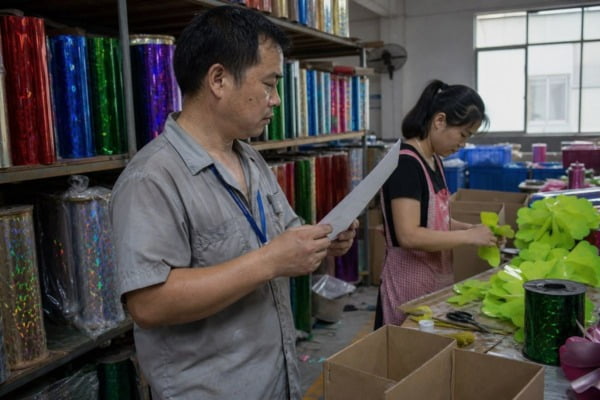
شروط الدفع ليست رقماً واحداً. إنها حزمة: التوقيت، والودائع، وخصومات الدفع المبكر، وغرامات الدفع المتأخر. في تجربتنا في تصدير الدوّارات وسلاسل الدوّارات إلى الولايات المتحدة وأمريكا الجنوبية وأوروبا، تعتمد الحزمة الصحيحة على مكانة العلاقة. الائتمان التجاري يُكتسب، ولا يُمنح في اليوم الأول.
سلّم التفاوض حسب مرحلة العلاقة
هذا هو السلّم الذي نستخدمه فعلياً، وهو يتوافق مع المعايير الصناعية الشائعة:
| مرحلة العلاقة | الشروط النموذجية | لماذا هي معقولة |
|---|---|---|
| مشترٍ جديد، الطلب الأول | إيداع 30%، و70% قبل الشحن | لا يمتلك أي من الطرفين سجلاً بعد |
| مشترٍ جديد، طلب تجريبي صغير | الدفع عند التسليم أو صافي 15 | قيمة منخفضة، مخاطر منخفضة لكلا الطرفين |
| 3–6 أشهر من الدفع في الموعد | صافي 30 أو صافي 45 | سجل الدفع يبرر الائتمان التجاري |
| مشترٍ بحجم كبير ومتكرر | صافي 45 أو صافي 60 | الحجم والقابلية للتنبؤ يعوّضان تكلفة التمويل |
| طلب موسمي كبير أو لمرة واحدة | دفعات مرحلية (مثلاً 30-40-30) | الدفعات تتبع تقدم الإنتاج الفعلي |
لاحظ سياق الدولة أيضاً. تحدد الإرشادات البريطانية فترة دفع افتراضية مدتها 30 يوماً إذا لم يتم الاتفاق على تاريخ، و شروط عقود الشركات (B2B) 1 بشكل عام يجب ألا تتجاوز 60 يوماً ما لم يتم الاتفاق عليها صراحةً وألا تكون غير عادلة بشكل صارخ. لذا فإن "المعقول" يعتمد أيضاً على الاختصاص القضائي، وليس فقط على أسلوب التفاوض.
معيار آخر. تعامل الشركات (B2B) العامة في الولايات المتحدة شروط صافي 30 كخط أساس شائع، بينما غالباً ما تعتمد الصناعات الثقيلة والبناء صافي 60 إلى صافي 90. البضائع الزخرفية مثل دوّاراتنا تقع أقرب إلى جانب صافي 30 لأن دورات الإنتاج قصيرة.
كيف يمكنني معرفة ما إذا كانت نسبة الإيداع مرتفعة جدًا أو محفوفة بالمخاطر؟
المقايضة التي أوازنها في كل عرض سعر بسيطة: يجب أن يغطي الإيداع نفقاتنا من المواد الخام، لكن يجب ألا يجعل المشتري يتحمل مخاطرنا كاملة أبداً.
يعتبر إيداع بنسبة 30% هو المعيار الصناعي للطلبات المخصصة. قد يكون ما يصل إلى 50% عادلاً للتصاميم المخصصة بشكل كبير أو تكاليف المواد المتقلبة. أي شيء يزيد عن 50% ينقل الكثير من المخاطر إليك ويستحق التدقيق، خاصة دون حماية المراحل.
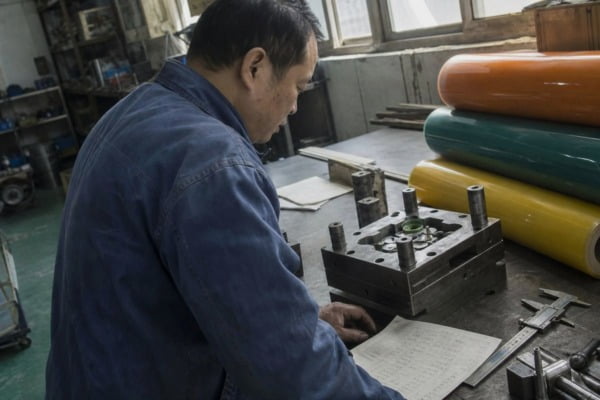
لماذا يظهر رقم 30% باستمرار؟ لأنه يتطابق تقريباً مع ما ينفقه المصنع قبل تثبيت الإنتاج. عندما ننفذ طلب دوّارات مخصص — مثلاً بتلات هولوغرافية بألوان علامة المشتري التجارية — نشتري الفيلم وألواح الطباعة وقوالب الحقن مقدماً. يغطي الإيداع ذلك الانكشاف. إنه متناسب. هذا هو الاختبار: الإيداع معقول عندما يعكس التكلفة الغارقة الحقيقية للمورد، وغير معقول عندما يتجاوزها.
معايير الإيداع حسب نوع الطلب
| سيناريو الطلب | نطاق الإيداع العادل | إشارة الخطر إذا كان أعلى |
|---|---|---|
| تصاميم جاهزة، طلب متكرر | 0–20% | قد يواجه المورد مشكلة في التدفق النقدي |
| طلب مخصص قياسي | 30% | أكثر من 40% يحتاج إلى تبرير |
| تخصيص كثيف أو أدوات جديدة | 30–50% | اطلب تفصيل تكلفة الأدوات |
| تكاليف مدخلات متقلبة (الفيلم، الراتنج) | 30–50%، أو تقسيم 50/50 | Request price-lock in return |
| Milestone structure for big orders | 30-40-30 tied to stages | Milestones must map to real deliverables |
The Channel Matters as Much as the Percentage
Here is a rule I insist on from my own experience: pay deposits only through legal, traceable payment channels. That means a bank transfer to the company's corporate account — the name on the account should match the name on your contract and invoice. I have heard too many stories of buyers wiring deposits to a "sales manager's" personal account and having zero recourse afterward. A legitimate factory will never resist corporate-account payment. If a supplier pushes you toward personal accounts, cash apps, or untraceable transfers 2, the percentage no longer matters. Walk away.
Also weigh currency risk. During periods of high FX volatility, shortening payment terms for international vendors reduces the hidden risk premium suppliers bake into unit pricing. A smaller deposit paid sooner can beat a larger one paid later.
هل يجب أن أثق بالموردين الذين يطالبون بالدفع الكامل قبل الإنتاج؟
A procurement manager once forwarded me a competitor's quote demanding 100% before production, at a price 15% below ours. She asked if the deal was too good to be true. It was.
لا. المطالبة بدفع 100% قبل الإنتاج تُعد علامة تحذيرية كبيرة في معظم الحالات. قد تشير إلى عدم استقرار مالي أو نية للاحتيال. الاستثناءات المشروعة نادرة: طلبات العينات الصغيرة، أو الشركاء الموثوقون منذ فترة طويلة الذين يختارون الدفع المسبق للحصول على خصم.
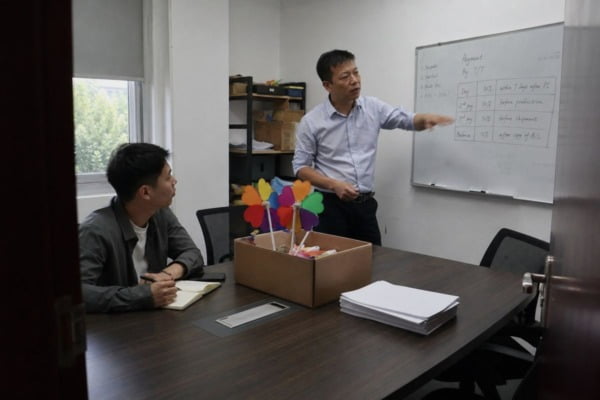
Let me be clear about my own position, because it may sound contradictory. Our factory does require prepaid deposits — that is normal and I defend it. But a deposit and full prepayment are completely different animals. A 30% deposit shares risk. A 100% upfront demand transfers all risk to you before a single petal is die-cut.
Think about what full prepayment removes from the relationship. You lose your only leverage over quality. If the shipment arrives with warped spinner hubs or faded film, the supplier already has your money. You lose your leverage over schedule. Shipping delays hurt far more when nothing motivates the factory to prioritize your container. And you lose your legal position, because you performed your entire contractual obligation before the supplier performed any of theirs.
The Few Legitimate Exceptions
- Sample orders under a few hundred dollars, where invoicing costs exceed the risk.
- A buyer voluntarily prepaying to capture a meaningful early payment discount.
- A supplier burned by that specific buyer's past non-payment — which says more about the buyer.
Questions to Ask Before You Consider It
If a supplier insists on full prepayment, ask why in writing. Ask for a factory audit, verifiable business licenses, and references from buyers in your market. Ask whether they will accept an escrow or milestone alternative instead. A genuine factory with real production capacity will usually accept 30/70 for a serious buyer, because the deposit already covers their material exposure. A supplier who refuses every risk-sharing structure, while dangling an unusually low price, fits the classic fraud pattern: collect money, deliver nothing or deliver junk. Cheap plus prepaid plus untraceable is the most expensive combination in sourcing.
ما هي شروط الدفع التي تحمي أعمالي فعليًا إذا حدث خطأ ما؟
The lesson that shaped our contract template came from a damaged-packaging claim years ago. Because the balance payment was tied to a pre-shipment inspection, the buyer had leverage — and we fixed everything before the container left Ningbo.
الدفعات المرحلية المرتبطة بالمخرجات المُتحقق منها تحميك على أفضل وجه: دفعة مقدمة بنسبة 30%، ويُفرج عن الرصيد فقط بعد اجتياز الفحص، وجميع الشروط مكتوبة في العقد، وتُدفع عبر قنوات مصرفية مؤسسية قابلة للتتبع، مع سبل انتصاف متفق عليها للعيوب والتأخيرات وغرامات السداد المتأخر على الطرفين.

Protection does not come from paying less. It comes from tying money to proof. Every stage of payment should correspond to something you can verify: an approved sample, a passed inspection report, a bill of lading. This is basic accounts payable optimization, but many buyers skip it because it feels adversarial. It is not. Our best customers use these structures, and we prefer them too, because they remove ambiguity for both sides.
A Protective Payment Structure, Stage by Stage
| المرحلة | Payment | What You Verify First |
|---|---|---|
| Contract signing | 30% deposit | Corporate account name matches the contract |
| ما قبل الإنتاج | 0% | Approved pre-production sample, in writing |
| Mid-production (large orders) | Optional 40% | Photo or video evidence of production progress |
| ما قبل الشحن | Balance (70% or 30%) | Third-party or buyer QC inspection passed |
| Post-delivery (mature relationships) | Net 30 balance | Goods received and checked in your warehouse |
Match Terms to Your Cash Conversion Cycle
Protection also means protecting your own cash flow management. Run this practical test: if you pay suppliers in 30 days but collect from your customers in 90, you carry a 60-day funding gap that supplier terms must help close. Track your Days Payable Outstanding against your collection cycle, and negotiate terms that keep your working capital cycle balanced rather than chasing the longest possible window.
Also do the discount math. A 2/10 Net 30 offer equates to roughly a 37% annualized return. If your cost of capital 3 is lower than that, paying early is not generosity — it is one of the best investments on your books. Supply chain finance tools can bridge the gap when it is not.
Finally, put everything in the contract or master agreement, not just on invoices. Procurement negotiation only counts when it is documented: payment window, deposit percentage, inspection rights 4, remedies for defects, and penalties for delay on both sides. Symmetry is the fairness test — if the supplier wants late payment penalties from you, you deserve delay penalties from them.
الخاتمة
Reasonable supplier payment terms balance risk on both sides: a fair deposit, milestone-linked balances, traceable corporate payment channels, and written contracts. Anything that forces one party to finance the other is not.
الحواشي
1. Authoritative guide on international payment methods and standard commercial terms in global trade. ↩︎
2. Official US government resource for identifying and avoiding fraudulent payment methods and scams. ↩︎
3. Definition of the financial metric used to evaluate the trade-off between early payment and financing costs. ↩︎
4. Overview of quality assurance and inspection processes used to verify deliverables in manufacturing contracts. ↩︎
المزيد من المقالات
قد تجد هذه مفيدة أيضًا.

كيفية التحقق عن بُعد من قدرات إنتاج المصنع لمكونات التوصيل المصنوعة من الحديد المطاوع؟
Learn how to evaluate a supplier's payment terms by risk, order size, and relationship stage, with real deposit…
اقرأ المزيد →
كيفية تقييم قدرة إنتاج المصنع عند توريد إدخالات الحديد المطاوع؟
Learn how to evaluate a supplier's payment terms by risk, order size, and relationship stage, with real deposit…
اقرأ المزيد →
ما الأسئلة التي يجب أن تطرحها على موردي إدخالات الحديد المطاوع لاكتشاف غير الموثوقين مبكرًا؟
Learn how to evaluate a supplier's payment terms by risk, order size, and relationship stage, with real deposit…
اقرأ المزيد → English
 Spanish
 German
 Arabic
 Chinese