如何找到风力发电机供应商的不良品处理流程?
风力发电机供应商的不良品处理流程可能成就或毁掉你的订单。在我们浙江的生产线上,我亲眼目睹过模糊的缺陷条款让买家损失整批货物和整个销售季。
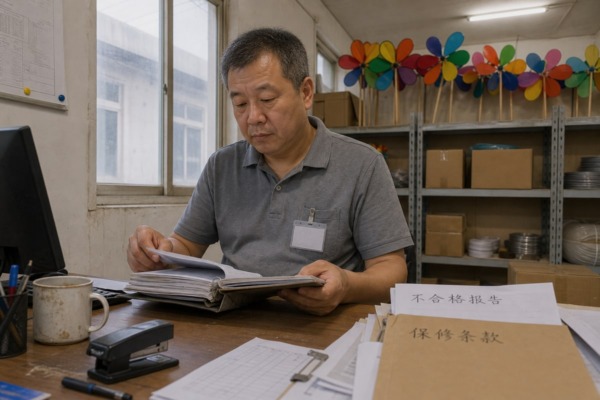
要找到风力发电机供应商的不良品处理流程,在下单前应索取其质量手册、不合格品报告程序和保修条款。确认书面缺陷判定标准、遏制措施、纠正措施截止期限、退货和更换规则,以及谁对生产故障与运输损坏分别承担责任。
该流程很少写在单一文件中。它隐藏在 质量手册 1、供应协议和保修条款中。下面,我将逐节向你展示具体在哪里查找。
关于风力发电机供应商的缺陷检测流程,我应该问哪些问题?
一位来自美国的采购经理曾在WhatsApp上给我发了一条消息:"给我看看叶片质检不合格时你们怎么处理。"这一个问题就告诉我,她是一位认真的买家。
询问供应商如何检测、遏制和报告缺陷。要求其提供不合格报告工作流程、8D纠正措施截止期限、冻结库存规则以及根本原因分析共享政策。可信的风力发电机组供应商以文件而非承诺作答,并承诺书面回复时限。
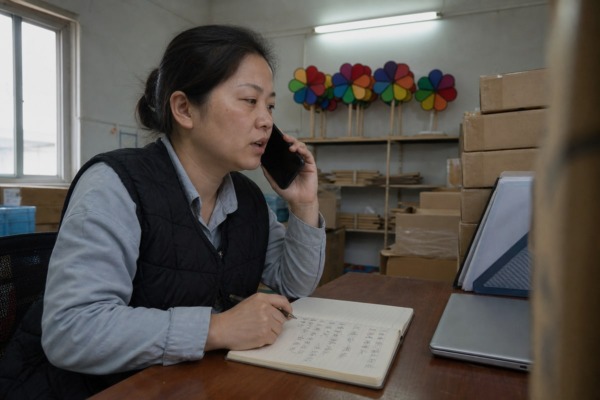
好的问题能迫使供应商展示他们真实的体系。弱势供应商会用"我们一直与客户合作"来回答。强势供应商会用程序、表单和截止期限来回答。在我们自己的工厂,我们保留一份书面的不合格品处理程序,正是因为像Olivia这样的买家在签署任何文件之前会要求查看。
你应该听到描述的核心工作流程
一个健全的不良品处理流程遵循清晰的链条:通知、立即遏制、隔离可疑库存、退货或返工决定、根本原因分析、 纠正和预防措施 2、验证和关闭。风电行业许多供应商手册要求在大约5个工作日内提供书面反馈,并在30天内完成完整的8D关闭。有几家还要求供应商停止发运受影响产品,除非客户给出明确的书面批准。如果供应商无法描述这一链条,他们就没有真正的流程。
关键问题及重要答案
| 要问的问题 | 强有力的回答是什么样的 |
|---|---|
| 你们如何遏制可疑库存? | 立即封锁、隔离区域、有记录的隔离 |
| 你们使用8D报告吗? | 是的,约5个工作日内反馈,30天内关闭 |
| 谁批准受影响零件的返工或发运? | 指定的质量岗位,需要书面签核 |
| 缺陷是孤立的还是批量性的? | 他们会检查早期生产批次和其他批次 |
| 你们分享根本原因调查结果吗? | 是的,附上组件失效分析证据 |
还有一个关键问题:供应商是否检查早期批次中是否存在同样的问题?单一制造缺陷可能影响许多台产品,因此这一检查将成熟供应商与被动应对的供应商区分开来。
在下单前,我如何验证供应商的质量控制标准?
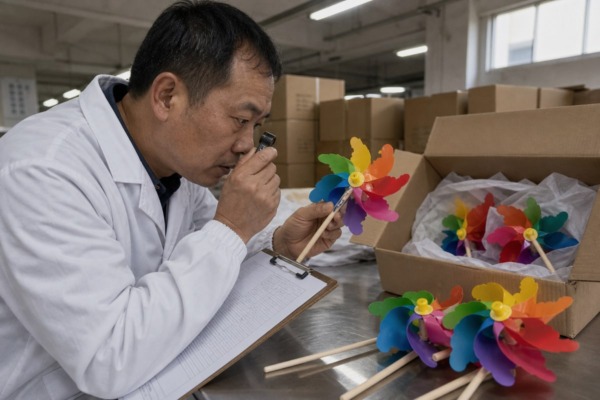
去年春天,我们对一笔大型风车订单进行了 发货前检验 ,发现了一个生产批次中的花瓣紧固缺陷。在发货前发现它,挽救了买家的整个零售季。
通过技术尽职调查验证质量控制:索取质量手册、审核报告和检验记录;委托第三方工厂审核和发货前检验;并检查供应商是否维护具有可追溯性和长期记录保留的结构化缺陷数据库。
验证意味着检查证据,而不是相信声明。风电行业的供应链质量管理正朝着数字化透明方向发展。例如,Vestas描述了一个供应链质量网络,供应商在确认订单前完成预定义的质量测试,每个缺陷都会创建合作伙伴可见的审计追踪。你至少应该期望你所评估的任何供应商具备这一做法的简化版本。
揭示真相的文件
| 应索取的文件 | 它揭示的内容 |
|---|---|
| 供应商质量手册 | 是否存在正式的质量控制体系 |
| 不合格品/偏差处理程序 | 缺陷如何被标记、封锁和处置 |
| 质量保证协议 | 合同中的质量控制义务和通知义务 |
| 检验和测试记录 | 检查是否逐批一致地进行 |
| 缺陷数据库摘录 | 随时间追踪的缺陷类型、尺寸和位置 |
A serious defect database matters more than buyers realize. Manufacturing studies on wind blades 3 recommend tracking flaw type and size frequency, flaw location frequency, and the materials involved. That structured data supports trend analysis and prevention, not just firefighting. Also ask about record retention. Some quality agreements in this industry require records to be kept for up to 15 years. In our own export work to the US and Europe, buyers increasingly ask for retained inspection photos by lot number, and we build that into every OEM/ODM project. Finally, always confirm the supplier accepts independent third-party inspections. A supplier who refuses outside eyes is telling you something.
在供应商的退货和换货政策中,对于有缺陷的产品,我应该检查什么?
I learned this lesson the hard way early in my export career: a dispute over twelve damaged units dragged on for weeks, simply because our contract never defined what "defective" meant.
检查书面的缺陷定义、保修索赔程序、约定的返工、补货或降价补救措施、批量缺陷阈值、缺陷通知期限以及谁承担退货运费。至关重要的是,确认该政策如何将生产缺陷与物流损坏区分开来。
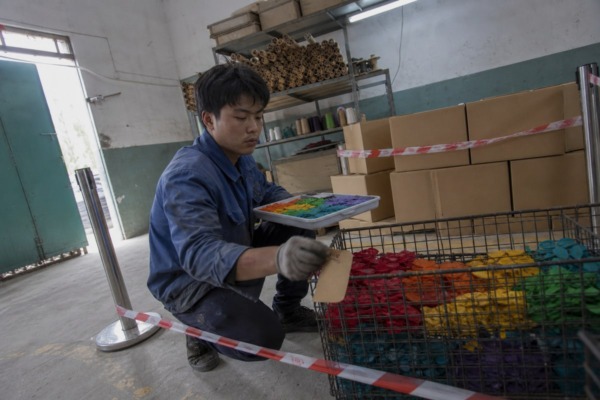
This section is where my strongest advice sits, and it comes from direct experience. Before any order, I now insist on three things in writing: clear criteria for judging what counts as a defective unit, an agreed plan for rework, replacement shipments, and payment deductions, and a clean split between production-caused problems and logistics-caused damage. Those three points prevent almost every downstream dispute.
Where the policy hides in wind contracts
In large wind deals, the return and replacement rules spread across several documents. Locate the Defect Notification clause in the Turbine Supply Agreement, because it sets the legal reporting window and required contact method. Review the warranty exhibit for mandatory evidence, such as specific photo documentation, NDT results, or SCADA data logs. Check the Defect Notification Period dates too, since blades, gearboxes, and foundations often carry staggered coverage timelines. Also read the OEM service agreement or operations and maintenance contract, because it may assign initial defect discovery to the service provider rather than to you.
Agree remedies before money moves
| Remedy | When it fits | What to fix in writing |
|---|---|---|
| Rework | Cosmetic or repairable flaws | Who performs it, deadline, re-inspection rules |
| Replacement / replenishment | Functional failures | Shipping cost owner, lead time, free-replacement ratio |
| Price deduction | Minor defects buyer keeps | Deduction formula per defective unit |
Suppliers will push back that rigid serial defect clauses are unfair, because one failure should not force fleet-wide replacement. That concern is legitimate, and the fair resolution is a defined threshold: a stated failure percentage triggers expanded obligations, with an independent third party confirming defect scope. A real 2024 project dispute showed why this matters, when one blade break led to a root cause analysis alleging many installed blades were also defective. Thresholds protect both sides.
我如何确认供应商的包装能够防止长途运输中的损坏?
Every quarter, we weigh the same trade-off at our Zhejiang facility: thicker cartons raise cost per unit, but one crushed container of goods erases the savings ten times over.
要求供应商提供包装规格,索取跌落测试和运输测试证据,在封箱前审查已包装货物的照片,并确认合同将运输损坏与生产缺陷分别定义,以便承运人造成的损失触发保险索赔而非保修纠纷。
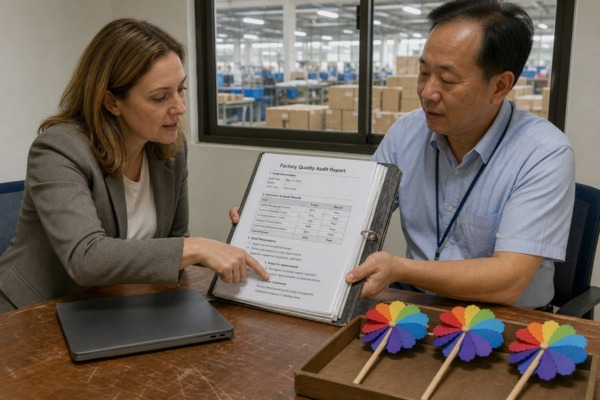
Packaging is where the defective product process meets logistics reality. In our exports to the United States and South America, damaged packaging is one of the top pain points buyers raise, right beside shipping delays and returns. So I treat packaging verification as a five-step process, and I recommend buyers demand the same from any supplier.
A five-step packaging verification process
- Get the written packaging spec. It should state carton strength, inner cushioning, unit separation, and moisture protection for sea freight.
- Ask for transit-test evidence. Drop tests and vibration or stacking tests show the packaging survives real handling, not just a photo shoot.
- Require pre-sealing photo documentation. Photos of packed goods, by lot, create the evidence baseline your warranty claim procedure will later depend on.
- Define damage responsibility in the contract. This echoes my core rule: separate production defects from logistics damage in writing. Production faults follow the non-conformance and corrective action path; transit damage follows the carrier and cargo insurance 4 path. Confirm the supplier also carries product liability insurance for defects that surface after delivery.
- Document at destination immediately. Photograph cartons before opening. If damage appears, timestamped photos determine whether component failure analysis points to the factory or the freight forwarder.
When we co-develop custom packaging with distributors, we prototype the carton alongside the product sample. It costs a little time upfront. It saves entire claims later.
结论
A vague defect process silently transfers risk onto you. Demand written defect criteria, verified QC evidence, agreed remedies, and clear production-versus-logistics responsibility before you ever place the order.
脚注
1. Official ISO page for the global standard governing quality management systems and documentation. ↩︎
2. Authoritative resource defining CAPA processes used to resolve and prevent manufacturing defects. ↩︎
3. International standards body providing technical frameworks for renewable energy components and wind turbine safety. ↩︎
4. Explanation of insurance coverage for goods in transit, distinguishing logistics risk from manufacturing defects. ↩︎
更多文章
你可能也会觉得这些有帮助。
如何远程验证锻铁插入式组件工厂的生产能力?
Learn what to ask a wind turbine supplier about their defective product process, from non-conformance reports to warranty…
阅读更多 →
采购锻铁嵌件时如何评估工厂的生产能力?
Learn what to ask a wind turbine supplier about their defective product process, from non-conformance reports to warranty…
阅读更多 →
应该向锻铁嵌件供应商提出哪些问题以尽早识别不可靠的供应商?
Learn what to ask a wind turbine supplier about their defective product process, from non-conformance reports to warranty…
阅读更多 → English
 Spanish
 German
 Arabic
 Chinese