How to Find a Wind Turbine Supplier’s Defective Product Process?
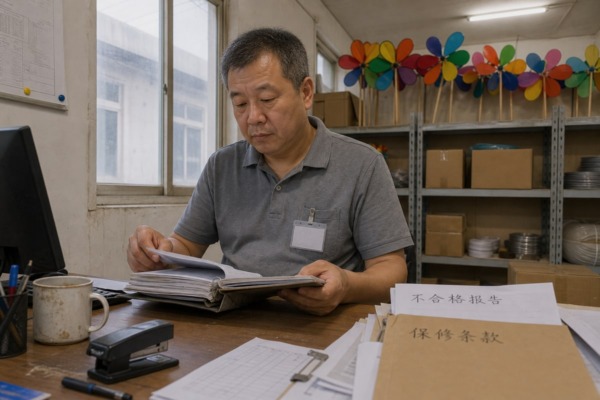
A wind turbine supplier’s defective product process can make or break your order. On our Zhejiang production line, I’ve watched vague defect terms cost buyers entire shipments and seasons.
To find a wind turbine supplier’s defective product process, request their quality manual, non-conformance report procedure, and warranty terms before ordering. Confirm written defect criteria, containment steps, corrective action deadlines, return and replacement rules, and who bears responsibility for production faults versus shipping damage.
The process is rarely written in one single document. It hides across quality manual 1s, supply agreements, and warranty clauses. Below, I’ll show you exactly where to look, section by section.
What questions should I ask a wind turbine supplier about their defect inspection process?
A procurement manager from the US once messaged me on WhatsApp with one line: "Show me what happens when a blade fails QC." That single question told me she was a serious buyer.
Ask the supplier how they detect, contain, and report defects. Request their non-conformance report workflow, 8D corrective action deadlines, blocked-stock rules, and root cause analysis sharing policy. A credible wind turbine supplier answers with documents, not promises, and commits to written response timelines.

Good questions force a supplier to reveal their real system. Weak suppliers answer with "we always work with customers." Strong suppliers answer with procedures, forms, and deadlines. In our own factory, we keep a written non-conformance procedure precisely because buyers like Olivia ask for it before they sign anything.
The core workflow you should hear described
A robust defective product process follows a clear chain: notification, immediate containment, segregation of suspect stock, a return or rework decision, root cause analysis, corrective and preventive actions 2, verification, and closure. Many supplier manuals in the wind sector require written feedback within about 5 working days and full 8D closure within 30 days. Several also require the supplier to stop shipment of affected product unless the customer gives explicit written approval. If a supplier cannot describe this chain, they do not have a real process.
Questions and the answers that matter
| Question to ask | What a strong answer looks like |
|---|---|
| How do you contain suspect inventory? | Immediate blocking, quarantine zone, documented segregation |
| Do you use 8D reports? | Yes, with feedback in ~5 working days, closure in 30 days |
| Who approves rework or shipment of affected parts? | A named quality role, with written sign-off required |
| Is the defect isolated or serial? | They check earlier production lots and other batches |
| Do you share root cause findings? | Yes, with component failure analysis evidence attached |
One more critical question: does the supplier check whether the same issue exists in earlier lots? A single manufacturing flaw can affect many units, so this check separates mature suppliers from reactive ones.
How can I verify a supplier's quality control standards before placing my order?
Last spring, we ran a pre-dispatch inspection on a large pinwheel order and caught a petal-fastening flaw in one production lot. Catching it before shipping saved the buyer's whole retail season.
Verify quality control through technical due diligence: request the quality manual, audit reports, and inspection records; commission a third-party factory audit and pre-dispatch inspection; and check whether the supplier keeps a structured defect database with traceability and long-term record retention.

Verification means checking evidence, not trusting claims. Supply chain quality management in the wind sector is moving toward digital transparency. Vestas, for example, has described a supply-chain quality network where suppliers complete predefined quality tests before confirming orders, and every defect creates an audit trail visible to partners. You should expect at least a lighter version of this from any supplier you evaluate.
Documents that expose the truth
| Document to request | What it reveals |
|---|---|
| Supplier Quality Manual | Whether a formal QC system actually exists |
| Non-conformance / deviation procedure | How defects are flagged, blocked, and dispositioned |
| Quality Assurance Agreement | Contractual QC obligations and notification duties |
| Inspection and test records | Whether checks happen consistently, lot by lot |
| Defect database extracts | Flaw types, sizes, and locations tracked over time |
A serious defect database matters more than buyers realize. Manufacturing studies on wind blades 3 recommend tracking flaw type and size frequency, flaw location frequency, and the materials involved. That structured data supports trend analysis and prevention, not just firefighting. Also ask about record retention. Some quality agreements in this industry require records to be kept for up to 15 years. In our own export work to the US and Europe, buyers increasingly ask for retained inspection photos by lot number, and we build that into every OEM/ODM project. Finally, always confirm the supplier accepts independent third-party inspections. A supplier who refuses outside eyes is telling you something.
What should I check in a supplier's return and replacement policy for defective units?
I learned this lesson the hard way early in my export career: a dispute over twelve damaged units dragged on for weeks, simply because our contract never defined what "defective" meant.
Check the written defect definition, the warranty claim procedure, agreed remedies for rework, replenishment, or price deduction, serial defect thresholds, defect notification deadlines, and who pays for return transport. Crucially, confirm how the policy separates production defects from logistics damage.
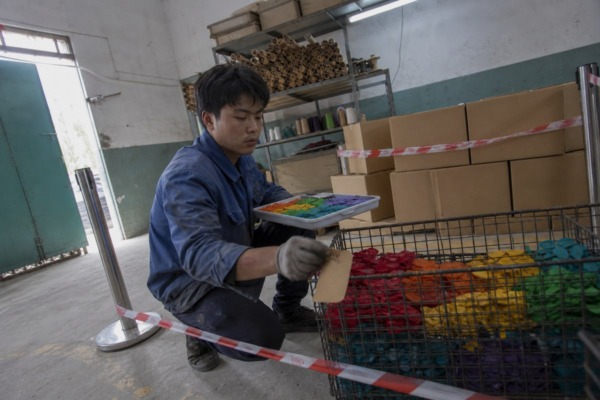
This section is where my strongest advice sits, and it comes from direct experience. Before any order, I now insist on three things in writing: clear criteria for judging what counts as a defective unit, an agreed plan for rework, replacement shipments, and payment deductions, and a clean split between production-caused problems and logistics-caused damage. Those three points prevent almost every downstream dispute.
Where the policy hides in wind contracts
In large wind deals, the return and replacement rules spread across several documents. Locate the Defect Notification clause in the Turbine Supply Agreement, because it sets the legal reporting window and required contact method. Review the warranty exhibit for mandatory evidence, such as specific photo documentation, NDT results, or SCADA data logs. Check the Defect Notification Period dates too, since blades, gearboxes, and foundations often carry staggered coverage timelines. Also read the OEM service agreement or operations and maintenance contract, because it may assign initial defect discovery to the service provider rather than to you.
Agree remedies before money moves
| Remedy | When it fits | What to fix in writing |
|---|---|---|
| Rework | Cosmetic or repairable flaws | Who performs it, deadline, re-inspection rules |
| Replacement / replenishment | Functional failures | Shipping cost owner, lead time, free-replacement ratio |
| Price deduction | Minor defects buyer keeps | Deduction formula per defective unit |
Suppliers will push back that rigid serial defect clauses are unfair, because one failure should not force fleet-wide replacement. That concern is legitimate, and the fair resolution is a defined threshold: a stated failure percentage triggers expanded obligations, with an independent third party confirming defect scope. A real 2024 project dispute showed why this matters, when one blade break led to a root cause analysis alleging many installed blades were also defective. Thresholds protect both sides.
How do I confirm a supplier's packaging can prevent damage during long-distance shipping?
Every quarter, we weigh the same trade-off at our Zhejiang facility: thicker cartons raise cost per unit, but one crushed container of goods erases the savings ten times over.
Request the supplier's packaging specification, ask for drop-test and transit-test evidence, review photos of packed goods before sealing, and confirm the contract defines transit damage separately from production defects, so carrier-caused losses trigger insurance claims rather than warranty disputes.
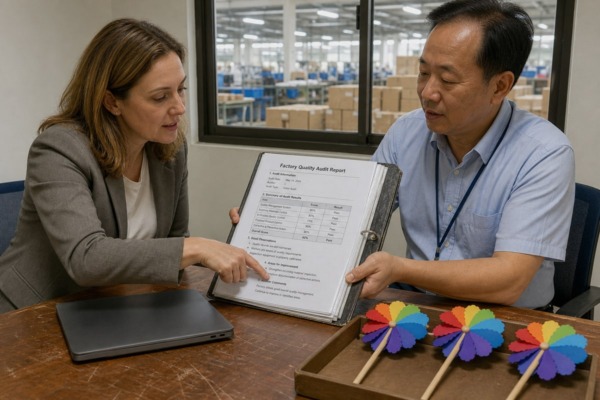
Packaging is where the defective product process meets logistics reality. In our exports to the United States and South America, damaged packaging is one of the top pain points buyers raise, right beside shipping delays and returns. So I treat packaging verification as a five-step process, and I recommend buyers demand the same from any supplier.
A five-step packaging verification process
- Get the written packaging spec. It should state carton strength, inner cushioning, unit separation, and moisture protection for sea freight.
- Ask for transit-test evidence. Drop tests and vibration or stacking tests show the packaging survives real handling, not just a photo shoot.
- Require pre-sealing photo documentation. Photos of packed goods, by lot, create the evidence baseline your warranty claim procedure will later depend on.
- Define damage responsibility in the contract. This echoes my core rule: separate production defects from logistics damage in writing. Production faults follow the non-conformance and corrective action path; transit damage follows the carrier and cargo insurance 4 path. Confirm the supplier also carries product liability insurance for defects that surface after delivery.
- Document at destination immediately. Photograph cartons before opening. If damage appears, timestamped photos determine whether component failure analysis points to the factory or the freight forwarder.
When we co-develop custom packaging with distributors, we prototype the carton alongside the product sample. It costs a little time upfront. It saves entire claims later.
Conclusion
A vague defect process silently transfers risk onto you. Demand written defect criteria, verified QC evidence, agreed remedies, and clear production-versus-logistics responsibility before you ever place the order.
Footnotes
1. Official ISO page for the global standard governing quality management systems and documentation. ↩︎
2. Authoritative resource defining CAPA processes used to resolve and prevent manufacturing defects. ↩︎
3. International standards body providing technical frameworks for renewable energy components and wind turbine safety. ↩︎
4. Explanation of insurance coverage for goods in transit, distinguishing logistics risk from manufacturing defects. ↩︎
More Articles
You might also find these helpful.
How to Remotely Verify a Factory's Production Capabilities for Wrought Iron Plug-In Components?
Learn what to ask a wind turbine supplier about their defective product process, from non-conformance reports to warranty…
Read More →
How to Assess a Factory's Production Capacity When Sourcing Wrought Iron Inserts?
Learn what to ask a wind turbine supplier about their defective product process, from non-conformance reports to warranty…
Read More →
What Questions Should You Ask Wrought Iron Insert Suppliers to Spot Unreliable Ones Early?
Learn what to ask a wind turbine supplier about their defective product process, from non-conformance reports to warranty…
Read More → English
  Spanish
  German
  Arabic