
كيفية تقييم الطاقة الإنتاجية للمصنع عند توريد حشوات الحديد المطاوع؟
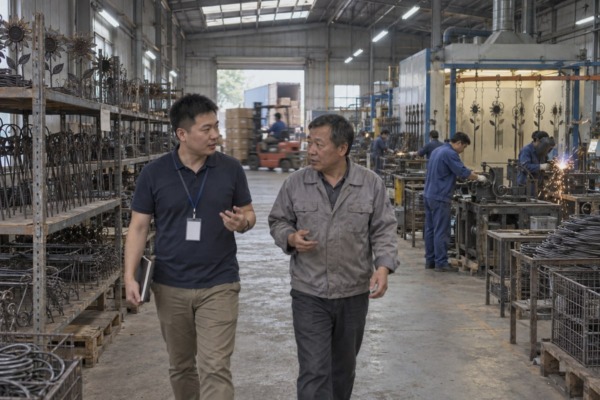
وعدنا مورد ذات مرة بكمية غير محدودة من أوتاد الحدائق المعدنية لفريق التوريد في تشوفنغ. ثم جاء موسم الذروة، وتأخرت الطلبات، وتعلمنا كيفية تقييم الطاقة الإنتاجية للمصنع بشكل صحيح.
لتقييم الطاقة الإنتاجية لمصنع حشوات الحديد المطاوع، اسأل عن خطوط الإنتاج، وورديات الطلاء بالمسحوق، والشحنات الشهرية لمنتجات مماثلة. تحقق من مخزون القطع الفارغة، وعدد العمال، ومستندات الشحن لآخر شهرين. تحقق دائمًا من الطاقة الإنتاجية في موسم الذروة، وليس فقط التوفر في غير موسم الذروة.
الطاقة الإنتاجية ليست رقمًا واحدًا. إنها سلسلة من القيود عبر القطع والتشكيل واللحام والتشطيب والتعبئة. تستعرض هذه المقالة قائمة تدقيق عملية للمصنع، خطوة بخطوة. ستتعلم ما يجب أن تسأل عنه، وما يجب فحصه، وما هي علامات التحذير التي تعني الانسحاب.
كيف يمكنني التحقق من الإنتاج الشهري الحقيقي لمصنع حشوات الحديد المطاوع قبل توقيع العقد؟
في الربيع الماضي، زرت مصنعًا شريكًا لفنون الحديد بالقرب من نينغبو. ادعى كتيبهم حجمًا ضخمًا، لكن رفوف القطع الفارغة كانت شبه فارغة. غيّرت تلك الزيارة طريقة تحققي من الإنتاج.
تحقق من الإنتاج الشهري الفعلي من خلال طلب مستندات الشحن من الشهرين الماضيين، وجرد المخزون الفارغ في المستودع، ومقارنة أعداد العمال بالحجم المعلن. قارن الأرقام اليومية والأسبوعية والشهرية للتأكد من اتساقها، وتأكد مما إذا كانت الأرقام المذكورة تشمل القطع الجيدة فقط أم تتضمن المرفوضة.
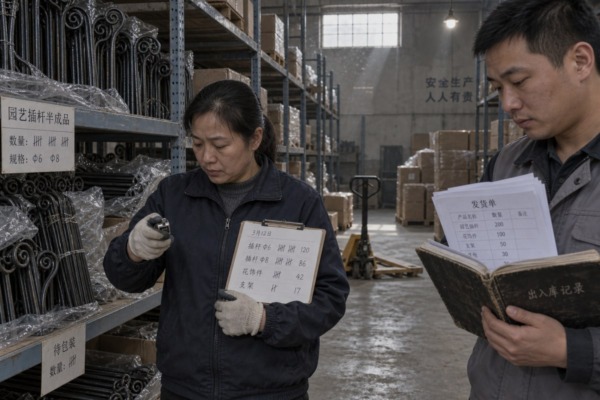
الأرقام التسويقية والإنتاج الحقيقي شيئان مختلفان. في عملنا التصديري مع زينة الحدائق 1، رأينا كلا الجانبين من تلك الفجوة. الحل بسيط: اطلب الأدلة، ثم اختبر الأدلة للتأكد من اتساقها.
حوّل ادعاءات العناوين إلى قطع حقيقية
نادرًا ما يقدم الموردون في الأعمال المعدنية الزخرفية عروضًا بالقطع المكتملة. أحد الموردين الذين قمنا بقياسهم يذكر 150 طنًا شهريًا. وآخر يدعي 50 حاوية سنويًا لمنتجات الحديد المطاوع. وثالث يذكر حوالي 3,500 طن سنويًا مع حوالي 200 آلة و150 موظفًا. لا يخبرك أي من تلك الأرقام بعدد حشواتك التي يمكنهم شحنها. وتد زهرة عباد الشمس خفيف الوزن ولولب مطروق ثقيل يستهلكان طنيات مختلفة جدًا لكل قطعة. لذا اطلب من المصنع تقدير الطاقة الإنتاجية بناءً على رسوماتك الدقيقة وأبعادك ودرجة المواد ومواصفات التشطيب بالطلاء بالمسحوق. هذا الطلب الواحد يفصل المصانع الجادة عن المتحدثين.
المستندات التي أطلبها دائمًا
| الدليل | ما يثبته | احترس من |
|---|---|---|
| مستندات الشحن من آخر شهرين | إنتاجية تصنيع مستدامة، وليس ادعاءات الذروة | مستندات تغطي فئات منتجات غير ذات صلة |
| مخزون القطع الفارغة / نصف المصنعة | مخزن احتياطي حقيقي لطاقة الإنتاج بالدفعات | رفوف فارغة خلال موسم يُفترض أنه مزدحم |
| سجلات الطلبات على مدى 6–12 شهرًا | الاتساق بين الأرقام اليومية والشهرية والسنوية | شهر ذروة واحد يُقدَّم كمتوسط |
| سجلات استهلاك الكهرباء | الآلات تعمل فعليًا بمعدل الاستخدام المعلن | استهلاك طاقة ثابت خلال أشهر الذروة المعلنة |
| سجلات دوران المستودع | وتيرة التحميل والتسليم الحقيقية | مخزون لا يتحرك أبدًا |
ثم قم بالحساب. الطاقة الإنتاجية الفعلية تساوي الإنتاج النظري 2 مضروبًا في الكفاءة ومعدل الاستخدام ومردود الجودة. إذا كان الإنتاج اليومي مضروبًا في أيام العمل لا يتطابق تقريبًا مع الادعاء الشهري، فشكك فيه. واسأل دائمًا whether الرقم المذكور يشمل القطع الجيدة فقط. بعض المصانع تدرج المرفوضات وإعادة التشغيل في إجمالياتها، مما يضخم الرقم بهدوء.
ما الأسئلة التي يجب أن أطرحها لتقييم معدات المورد وقدرة القوى العاملة لديه؟
كل عرض سعر ينطوي على مقايضة نوازنها في منشأتنا في تشجيانغ: خط طلاء بالمسحوق واحد يبقي الأسعار منخفضة، لكنه يحد من الإنتاجية بشدة بمجرد تراكم طلبات الزينة.
اسأل عن عدد خطوط الإنتاج العاملة، وعدد الورديات التي يعمل بها خط الطلاء بالمسحوق، وإجمالي عدد الآلات والعمال، ونسبة العمالة الماهرة إلى العامة، وجداول استبدال التركيبات، وما نسبة الخطوات التي يتم الاستعانة بمصادر خارجية لها. يجب أن تتوافق الإجابات مع الإنتاج المعلن ومساحة الأرضية.
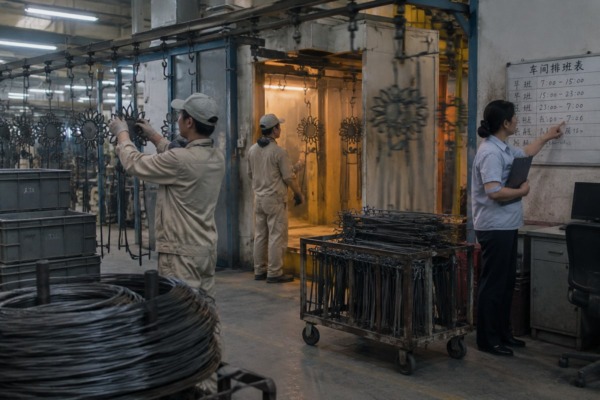
المعدات والأشخاص يحددان سقف الإنتاج. لكن الخطوة الأبطأ، وليس الخطوة المتوسطة، هي التي تحدد ما يُشحن فعليًا. لذا يجب أن تبحث أسئلتك عن عنق الزجاجة. إليك مجموعة الأسئلة التي أستخدمها قبل أي عقد، مع شكل الإجابة القوية.
جدول الأسئلة الذي آخذه إلى كل تدقيق
| السؤال | لماذا يهم | الإجابة القوية تبدو هكذا |
|---|---|---|
| كم عدد خطوط الإنتاج التي تشغلها، ولأي منتجات؟ | يفصل الطاقة الإجمالية عن الطاقة الخاصة بمنتجك | أعداد خطوط محددة مرتبطة بعائلات المنتجات |
| كم عدد الورديات التي يعمل بها خط الطلاء بالمسحوق؟ | التشطيب هو عنق زجاجة كلاسيكي للحشوات المطلية | أنماط ورديات واضحة، بالإضافة إلى مساحة أرضية للمعالجة والتجفيف |
| كم عدد الآلات التي تملكها، وكم عمرها؟ | آلات الثني CNC والمطارق الآلية تحدد حدود الإنتاجية التقنية | A machine list with ages and per-machine output |
| What is your worker count and skilled-to-general ratio? | Intricate custom forging capabilities need experienced hands | A named ratio, not just a headcount |
| How often do you replace jigs and fixtures? | Worn tooling causes dimensional drift in high-volume runs | A written replacement schedule |
| What percentage of steps are outsourced? | Outside vendors create hidden capacity constraints | Named vendors with their own capacity confirmed |
| How do you handle raw material procurement in peak season? | Material shortages kill schedules quietly | Supplier contracts and on-hand steel inventory |
| What is your minimum order quantity versus maximum monthly volume? | Reveals where your order sits in their comfort zone | A range, with your order comfortably inside it |
Test the Numbers Against Each Other
Some buyers argue that a big total capacity is enough reassurance. I disagree, and I raise this objection deliberately: a factory can have high overall capacity yet low capacity for your specific insert if its tooling, finishing line 3, or inspection team is specialized elsewhere. Also cross-check proportions. If a supplier claims massive volume but reports 150 employees and 200 machines, the staffing, shifts, and floor area 4 must all support that story. When one leg of the tripod wobbles, the whole claim wobbles.
كيف أتأكد من أن المصنع يمكنه الوفاء بمواعيد التسليم الخاصة بي دون التضحية بالجودة؟
A US procurement manager recently asked me one blunt question over WhatsApp: could our garden stake line hit her October deadline? Her fear was delays, not price.
تأكد من المواعيد النهائية من خلال التحقق من أوقات التسليم التاريخية للطلبات ذات الأحجام المماثلة، ومراجعة نقاط فحص مراقبة الجودة، والتحقق من الطاقة الاستيعابية في مواسم الذروة، وطلب الجداول الزمنية للعينات للطلبات الصغيرة والمتوسطة والكبيرة. أدرج التسليمات المرحلية وبوابات التفتيش في العقد قبل توقيع أي شيء.
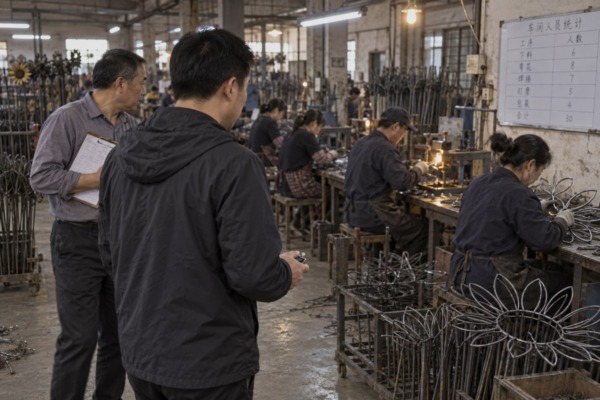
Speed and quality pull against each other on any metal line. A factory that can physically produce your volume may still fail you if inspection, sorting, or finish rework slows everything down. In our export experience with the United States and Europe, the buyers who avoid disasters are the ones who verify both sides before signing.
Why Peak Season Changes Everything
Here is the point I stress most, because I have lived it: many factories have plenty of capacity in the off-season, but their order books saturate in peak season, and then they delay. A quote given in a quiet month tells you almost nothing about a shipment due in a busy one. So ask directly about their peak-season order book. Ask how they prioritize when lines are full. Ask what happened to deadlines last peak season. Their answers reveal supply chain reliability better than any promise.
Deadline Verification Steps
| Step | What to request | Why it protects you |
|---|---|---|
| Historical lead times | Fulfillment records for similar-sized projects | Past performance beats quoted promises |
| Peak-season status | Current and projected order book for your ship window | Off-season capacity does not equal peak capacity |
| Quality control standards map | Every checkpoint from cutting to packing | High-speed runs must not compromise finish or structure |
| Finishing floor space | Area dedicated to drying and curing after coating | Cramped finishing zones throttle output late in the process |
| Live tracking | ERP or real-time milestone reporting | Manual updates hide slippage until it is too late |
| Sample timelines | Written schedules for small, medium, and large orders | Forces the factory to commit to realistic lead times |
Finally, resist the surge trap. Some factories can sprint for two weeks to impress a new client. Long-term sourcing decisions should rest on sustained throughput and on-time delivery history, not on a one-off burst.
ما هي العلامات التحذيرية التي تشير إلى أن المصنع يبالغ في قدراته الإنتاجية؟
We learned this lesson the hard way when an outsourced forging partner missed two shipments. Since then, our team treats every impressive capacity claim as a hypothesis to test.
تشمل العلامات التحذيرية إجابات غامضة حول خطوات العملية، وأرقامًا غير متسقة للطاقة الإنتاجية عبر المحادثات، ورفض مشاركة سجلات الشحنات، وأرقامًا رئيسية عن مساحة الأرضية أو العمال لا تتطابق مع الواقع، ومخزونًا فارغًا، وطاقة إنتاجية مذكورة فقط بالأطنان أو الأمتار المربعة.
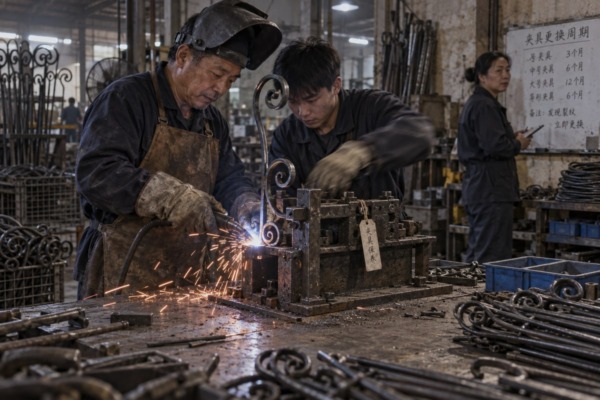
Some buyers push back on my skepticism. They argue that stated capacity is still useful because it quickly narrows the field. They are right, up to a point. A claimed number is a good filter for shortlisting. It is a terrible basis for a signature. Treat every claim as a starting point for verification, and watch for these signals.
- Capacity quoted only in vague units. Claims like 30,000 square meters of floor area, more than 200 skilled workers, or nearly 1,000 hours per week of production sound impressive. But none of them converts directly into your inserts. Demand piece-level numbers for your design.
- Figures that do not reconcile. If the daily number times working days misses the monthly claim, or the monthly number times twelve overshoots the annual figure, someone is guessing.
- Refusal to share process data. A factory hiding its shipment records, bottleneck steps, or outsourcing percentage is hiding its limits.
- Multiple sites blended into one number. Larger suppliers often combine several factories into one headline figure. Separate each site's real contribution before you trust the total.
- Empty blank racks in a claimed busy period. No semi-finished inventory means no buffer and no momentum.
- Electricity records that contradict utilization claims. Machines that supposedly run two shifts should show it in the power bill.
- Location in an environmental red zone. Government-mandated power cuts or emissions shutdowns can halt capacity overnight, no matter how many machines sit on the floor.
- Peak output sold as sustained output. Production scalability means holding volume for months, not surging for a week.
Then decide with a simple framework: approve the supplier when verified throughput, quality yield, and shipment history align with your order profile; monitor closely when evidence is partial; reject when claims and evidence diverge.
الخاتمة
Capacity is a chain of constraints, not a single number. Verify shipping documents, count workers and blanks, test peak-season availability, and sign only with factories whose evidence matches their claims.
مهتم بتوريد المنتجات المذكورة في هذه المقالة؟ اطلع على التفاصيل واطلب عرض سعر هنا:
الحواشي
1. U.S. Customs and Border Protection provides authoritative guidance on trade compliance and verification for imported goods. ↩︎
2. ISO standards provide the global framework for defining and measuring production capacity and manufacturing quality. ↩︎
3. Technical overview of the powder coating process commonly used as the finishing line for wrought iron products. ↩︎
4. The International Trade Centre offers resources for businesses to manage supply chain logistics and verify supplier capabilities. ↩︎
المزيد من المقالات
قد تجد هذه مفيدة أيضًا.

كيفية التحقق عن بُعد من قدرات إنتاج المصنع لمكونات التوصيل المصنوعة من الحديد المطاوع؟
Learn to verify a wrought iron insert factory's true production capacity with shipping records, inventory checks, and peak-season…
اقرأ المزيد →
ما الأسئلة التي يجب أن تطرحها على موردي إدخالات الحديد المطاوع لاكتشاف غير الموثوقين مبكرًا؟
Learn to verify a wrought iron insert factory's true production capacity with shipping records, inventory checks, and peak-season…
اقرأ المزيد →
كيف تتحقق من ترخيص مورد الحديد المطاوع الصيني ومؤهلات التصدير؟
Learn to verify a wrought iron insert factory's true production capacity with shipping records, inventory checks, and peak-season…
اقرأ المزيد → English
 Spanish
 German
 Arabic
 Chinese