
ما هي كمية الطلب الأولى التي توازن بين المخاطر والسعر لأجزاء الحديد المطاوع القابلة للتركيب؟

يسأل المشترون ورشتنا في تشجيانغ أسبوعياً عن [كمية الطلب الأولى لأجزاء الحديد المطاوع القابلة للتركيب](https://zhufengpinwheels.com/?p=444): هل يشترون بكميات كبيرة للحصول على خصومات، أم بكميات صغيرة للأمان فحص مراقبة الجودة 1؟ خمّن خطأً، والمخزون الراكد يأكل هامش ربحك.
أفضل كمية طلب أولى لأجزاء الحديد المطاوع القابلة للتركيب هي أصغر فئة تحقق خصمًا سعريًا ذا معنى—عادةً 100–500 وحدة للعناصر المدرجة في الكتالوج—مع التحقق من الجودة والتغليف وأداء الشحن قبل أن تلتزم بأموال أكبر.
تبدو الإجابة بسيطة، لكن التفاصيل تحدد ما إذا كنت ستربح أو تعاني. تحتاج استراتيجية الشراء الخاصة بك إلى طريقة واضحة، لا إلى حدس. دعني أشرح لك الحسابات، وفواصل الأسعار، واختبارات الجودة، والتكاليف الخفية، بهذا الترتيب.
كيف أحسب الحد الأدنى لكمية الطلب المناسب لأول طلب لي من قطع الحديد المطاوع الموصولة؟
في الربيع الماضي، راسلتني مديرة مشتريات أمريكية على واتساب: هل تأخذ الحد الأدنى لدينا البالغ 100 قطعة أم تقفز إلى 1,000 قطعة للحصول على الخصم؟ أجرينا الحسابات معاً.
احسب الحد الأدنى لكمية الطلب (MOQ) الأولى الخاصة بك عن طريق أخذ الحد الأدنى للمورد، والتحقق من أنه يغطي ما يقرب من ثلاثة أشهر من الطلب المتوقع بالإضافة إلى مهلة إعادة الطلب، والتأكد من أن النفقات النقدية تبقى ضمن حدود تحملك للمخاطر—عادةً 100–500 وحدة للأجزاء المدرجة في الكتالوج.

أولاً، دعنا نحدد الفئة بوضوح. تشمل أجزاء الحديد المطاوع القابلة للتركيب أوتاد الأرض، والأسنان على شكل حرف U، ومقابس القضبان القابلة للتركيب، ووصلات التثبيت. يستخدمها مصنعنا يومياً في الدوّامات الهوائية، وأوتاد الحدائق على شكل زهرة عباد الشمس، ولافتات الساحات الاحتفالية مثل خط لافتات سانتا. نوع الجزء الدقيق مهم، لأن العناصر الموجودة في الكتالوج، والعناصر ذات التشطيب المخصص، والأجزاء المصنّعة حسب الطلب تحمل قواعد مختلفة تماماً الحد الأدنى لكمية الطلب .
ابدأ بصيغة القرار
يجب أن تجتاز كمية الطلب الأولى الصحيحة لأجزاء الحديد المطاوع القابلة للتركيب أربعة اختبارات في آنٍ واحد. أن تكون مؤهلة للحصول على خصم سعر حقيقي. أن تكون كبيرة بما يكفي لاختبار الطلب الفعلي. أن تغطيك خلال مهلة إعادة التوريد التالية. وألا تخلق مخاطر مخزون غير مقبولة. إذا فشلت الكمية في أي اختبار، فعدّلها.
معيار توريد ثلاثة أشهر هو مرجع مفيد هنا. طلب ما يقارب ثلاثة أشهر من الطلب المتوقع يحميك من تأخيرات اللوجستيات أو الجمارك 2 النموذجية للطلب الأول دون إثقال مستودعك. أضف مستويات مخزون أمان متواضعة فقط إذا كانت بيانات الطلب لديك تدعم ذلك. إدارة مهلة التسليم الجيدة أهم من الحجم الخام.
طابق الكمية مع نوع الجزء
| نوع الجزء | نطاق الحد الأدنى للطلب النموذجي | الطلب الأول المقترح |
|---|---|---|
| الأوتاد والأسنان الموجودة في الكتالوج | 5–100 قطعة | عند الحد الأدنى للطلب، حتى ~300 |
| عناصر الكتالوج بتشطيب مخصص | 200–500 قطعة | 300–500 قطعة |
| أجزاء قابلة للتركيب مخصصة مصنّعة حسب الطلب | ~1,000 قطعة | 1,000 قطعة، الفئة الأدنى فقط |
قاعدتي الشخصية بعد سنوات من التصدير إلى الولايات المتحدة وأوروبا وأمريكا الجنوبية: قدّم طلبك الأول عند الحد الأدنى للطلب، أو أعلى قليلاً منه. لا تحجز حاوية كاملة في الجولة الأولى أبداً. تعامل مع الطلب الأول كـ تقييم مخاطر سلسلة التوريد 3 في شكل مادي. نعم، سعر الوحدة يكون أعلى قليلاً. لكنك تتجنب الخسائر الأكبر بكثير من تراكم المخزون، أو الأنماط غير المباعة، أو فشل الجودة على نطاق واسع. يأتي تحسين حجم الدفعة لاحقاً، بمجرد توفر بيانات مبيعات حقيقية.
ما هي خصومات الأسعار التي يجب أن أتوقعها عند كميات الطلب المختلفة لهذه الأجزاء؟
كل عرض سعر نرسله من خط الإنتاج لدينا في تشجيانغ يتضمن نفس المقايضة: الفئات الأعمق تكافئ الحجم، لكن الخصم لا يستحق إلا إذا بيع المخزون فعلاً.
توقع أول انخفاض جوهري في سعر الوحدة عند حوالي 500 قطعة، والثاني عند حوالي 1,000، وأعمق المستويات قرب 5,000، لأن تكاليف التشكيل وإعداد الأدوات تتوزع على المزيد من الوحدات؛ وتُظهر الأجزاء المصنّعة بأدوات مخصصة أشد الانخفاضات المبكرة.
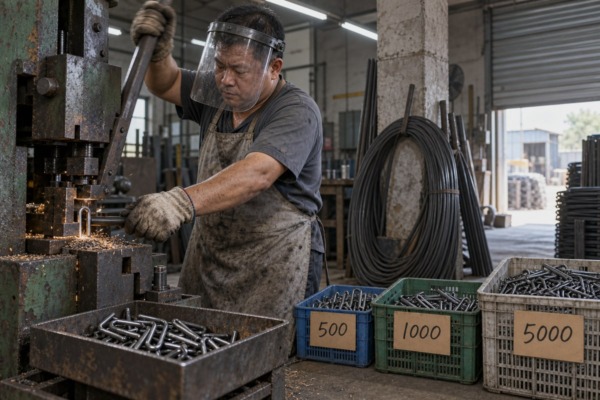
التسعير المتدرج ليس حيلة تسويقية. إنه يعكس اقتصاديات الإنتاج الحقيقية. عندما نجهّز دفعة من أسنان الأوتاد أو وصلات التركيب، ندفع تكاليف ثابتة لإعداد القوالب، والتجميع، وتغيير التغليف قبل شحن أول قطعة. توزيع هذه التكاليف على وحدات أكثر هو اقتصاديات الحجم 4, الكلاسيكية، وهو يحقق تخفيضاً حقيقياً في تكلفة الوحدة مع ارتفاع الكمية.
لماذا يستوي المنحنى
| فئة الكمية | ما يحدث عادةً لسعر الوحدة | ما يجب مراقبته |
|---|---|---|
| عند الحد الأدنى للطلب (100–200) | السعر الأساسي؛ تكاليف الإعداد تثقل كل قطعة | أعلى تكلفة للوحدة، أقل مخاطر إجمالية |
| حوالي 500 | أول انخفاض ملموس مع تفعيل كفاءة التجميع | نقطة توازن جيدة لعناصر الكتالوج |
| حوالي 1,000 | الانخفاض الثاني؛ اكتمال استهلاك تكاليف القوالب إلى حد كبير | Common floor for OEM first runs |
| Around 5,000 | Deepest tier, but savings per extra unit shrink | Carrying costs can erase the discount |
Custom parts behave differently. For OEM plug-in parts, the first order often carries the full cost of the mold or die. That makes tiny quantities prohibitively expensive per unit. One workaround we offer buyers is insert-based modular tooling. Only the plug-in tip gets customized, while the main body uses our standard base molds. That lets you hit a lower MOQ without paying full tooling costs.
Now, the objection I hear most: "Just buy the biggest tier you can afford, the lowest unit cost wins over time." That logic holds only for standardized, non-perishable parts with proven, repeatable demand. On a first order, none of that is proven yet. Compare the cheapest unit price against total landed cost, not the list price. Suppliers now publish visible MOQ and price tiers online, which makes comparison easy—but it also tempts buyers to optimize around visible breaks instead of real delivered cost. Do not fall into that trap.
كيف يمكنني اختبار جودة المنتج قبل الالتزام بطلب أول أكبر؟
Our QC team once caught chipped powder coating on sunflower stake prongs during a pre-shipment check. That 300-piece pilot run saved the buyer a container-sized headache.
اختبر الجودة من خلال نهج تقسيم الدفعات: اطلب العينات المدفوعة أولاً، ثم قم بتشغيل تجريبي صغير عند أو بالقرب من الحد الأدنى لكمية الطلب للتحقق من الملاءمة والتشطيب ومقاومة التآكل ونجاة التغليف، ولا تتوسع إلا بعد الحصول على تعليقات حقيقية من السوق.

The split-batch strategy is now the standard method for validating dimensional accuracy on plug-in parts. A small pilot run confirms the physical fitment, and a larger bulk order follows only after the pilot passes. Here is the exact sequence I recommend to every distributor we work with:
- Order paid samples first. Two to five pieces. Check the plug-in interface fit, the coating thickness, and the weld points by hand.
- Lock a written spec sheet. Agree on dimensions, finish standards, and packaging method before production starts. Vague specs cause most disputes.
- Run a pilot batch at or near MOQ. Samples are often hand-finished. Only a real production run shows batch consistency.
- Book a quality control inspection before shipment. Either a third-party inspector or documented photos and videos from the factory floor. We provide both on request.
- Audit the shipment on arrival. Count ocean-freight damage, check for surface rust, and photograph packaging condition. Iron parts on long US or South America routes take real abuse in transit.
- Track vendor performance metrics from day one. Record defect rate, on-time delivery, and packaging survival. These numbers justify—or block—your bulk reorder.
One newer trend worth noting: some buyers now use high-fidelity 3D simulations and digital twins of the plug-in interface to stress-test the connection virtually. That reduces mechanical failure risk and supports a more confident larger order. It complements a physical pilot run; it does not replace one. In my experience, the goals of the first order are simple—verify quality, lead time, packaging, and ocean shipping damage. When market feedback comes back positive, reorder immediately.
I learned this lesson the hard way early in my export career: a distributor compared only unit prices, ordered big, and then paid more in storage and rust losses than he saved.
ضع في الاعتبار تكاليف الشحن على الحديد الثقيل، وتكاليف التخزين ومنع الصدأ، والأموال المجمدة في المخزون، ومخصصات العيوب وإعادة العمل، وتأخيرات الجمارك، ومخاطر المخزون بطيء الحركة—فمجتمعةً غالبًا ما تفوق هذه التكاليف الخفية الخصم لكل وحدة الذي توفره فئة أكبر.

Wrought iron punishes careless buyers in two specific ways. It is exceptionally heavy, so freight charges scale brutally with quantity. And it is prone to oxidation, so slow inventory turnover invites surface rust damage sitting in a humid warehouse. A big first order magnifies both problems at once.
The Cost Lines That Change Your Quote
| Hidden cost | Why it hits wrought iron hard | How to control it |
|---|---|---|
| الشحن البحري | Weight-based pricing; iron parts are dense | Start with a partial container, not a full one |
| Warehousing and carrying | Bulky stakes eat rack space for months | Size orders to ~3 months of demand |
| Rust-prevention packaging | Coastal shipping and humid storage cause oxidation | Specify coated finishes and sealed packaging |
| Defect and rework allowance | Faults surface only after unboxing at scale | Pilot run plus pre-shipment inspection |
| Cash tied up in stock | Capital frozen until sell-through completes | Keep the first order at or near MOQ |
| Customs and logistics delays | Late arrival can strand a seasonal product | Build lead time buffers into the plan |
Inventory carrying costs are the quiet killer. Buyers today watch working capital efficiency closely, and smaller test orders have become the norm when demand is uncertain. Supplier flexibility—ready stock, low MOQ, fast delivery—is now valued as much as per-unit savings. We restructured part of our own line around that demand.
Timing and Material Costs
Two advanced levers deserve a mention. First, raw material timing: some buyers use dynamic buffer indexing tied to scrap metal market volatility, placing the first order when raw iron prices sit at a cyclical low. That offsets the "new part" price premium of a small run. Second, sustainability math: factoring green steel scrap value and carbon footprint metrics into the calculation can justify the slightly higher per-unit cost of smaller, cleaner initial runs. Run the full comparison before you sign. If a sharp price break at a higher tier still beats your combined warehousing and carrying costs over the expected sell-through period, take it. If not, the smaller order wins.
الخاتمة
Chasing the deepest discount on day one invites dead stock and rust losses. Start at MOQ or slightly above, validate quality and logistics, then scale with real data behind you.
مهتم بتوريد المنتجات المذكورة في هذه المقالة؟ اطلع على التفاصيل واطلب عرض سعر هنا:
الحواشي
1. ISO is the global authority for quality management standards and inspection protocols. ↩︎
2. Official US Customs authority providing guidance on import regulations and potential logistics bottlenecks. ↩︎
3. The International Trade Centre offers resources for small businesses managing international supply chain risks. ↩︎
4. Standard economic definition of how increasing production volume reduces per-unit costs. ↩︎
المزيد من المقالات
قد تجد هذه مفيدة أيضًا.

كيفية التحقق عن بُعد من قدرات إنتاج المصنع لمكونات التوصيل المصنوعة من الحديد المطاوع؟
Find the right first order quantity for wrought iron plug-in parts: enough to unlock real price breaks, small…
اقرأ المزيد →
كيفية تقييم قدرة إنتاج المصنع عند توريد إدخالات الحديد المطاوع؟
Find the right first order quantity for wrought iron plug-in parts: enough to unlock real price breaks, small…
اقرأ المزيد →
ما الأسئلة التي يجب أن تطرحها على موردي إدخالات الحديد المطاوع لاكتشاف غير الموثوقين مبكرًا؟
Find the right first order quantity for wrought iron plug-in parts: enough to unlock real price breaks, small…
اقرأ المزيد → English
 Spanish
 German
 Arabic
 Chinese