
Does the Quoted Price for Windmill Strings Include Tariffs and Shipping?

Buyers often ask me whether our quoted price for windmill strings covers everything. It usually does not, and assuming it does can wreck a purchase budget before the goods even leave our factory in Zhejiang.
The quoted price for windmill strings normally covers only the product itself at the factory gate. Tariffs, international shipping rates, insurance, and customs clearance fees are extra unless the seller explicitly states DDP, landed cost, or duties paid in writing on the quote.
Let me walk you through what a quote really includes, what gets added later, and how to protect your margins. I will use real examples from our export work.
What Costs Should I Expect Beyond the Quoted Unit Price for Windmill Strings?
A quick note before anything else: every price listed on our website is an ex-works price. It does not include transportation costs or import duties. Many suppliers work the same way.
Beyond the unit price, expect international freight, freight insurance, import duties, customs clearance fees, courier brokerage fees, and possible destination charges like Value Added Tax (VAT). Together, these extras often add 20–40% or more to the headline quote for imported decorative goods.
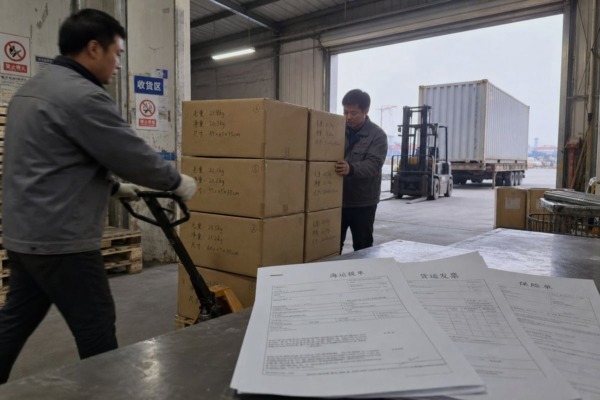
When a procurement manager first contacts us, the number she sees on our website or 1688 listing is the base product price. That is deliberate. An ex-works price is the cleanest way to compare base product costs between suppliers. But it is only the first layer of three.
The Three Price Layers
Every import purchase stacks up like this:
| Layer | What It Covers | Who Usually Pays |
|---|---|---|
| Product price | The windmill strings themselves, packed at our factory | Buyer, per the quote |
| Shipping and insurance | Ocean or air freight, freight insurance, port handling | Buyer, unless CIF/DDP agreed |
| Duties and import fees | Tariffs, VAT, customs clearance fees, brokerage | Importer of record |
One point buyers sometimes push back on: some sellers argue that quoting a bare unit price is misleading. In my view, it is only misleading if the seller hides the terms. We state ex-works clearly, so you can compare our base price against competitors fairly, then calculate delivery costs for your specific port.
Hidden Fees That Surprise First-Time Importers
Courier handling charges are the ones that sting. FedEx and UPS often add brokerage fees for clearing your shipment through customs. These are administrative charges, separate from any government-mandated tariff. Under most retail-style terms, known as Delivered Duty Unpaid (DDU), the carrier collects these fees plus duties before releasing your package. If you refuse to pay, the goods sit at customs. I have seen shipments stuck for two weeks over a small unpaid brokerage invoice, which is exactly the kind of shipping delay that hurts a seasonal product like pinwheels.
How Do I Calculate Total Landed Cost Including Tariffs and Freight?
A distributor in the United States once told me she compared two pinwheel quotes purely on unit price and chose the cheaper one. After freight and duty, that "cheaper" order cost her 12% more.
Total landed cost equals product price plus international shipping, freight insurance, import duties, and clearance fees. Duty is usually calculated on the customs value, which often includes freight and insurance, so a $10,000 order with $2,000 shipping can land well above $17,000 after all fees.

The math is not hard, but you must do it in the right order. Duty is often assessed on a CIF basis, meaning cost plus insurance plus freight, not just the sticker price. So freight increases your duty bill twice: once directly, and again by raising the customs value 1.
A Step-by-Step Landed Cost Example
Here is a simplified example using round numbers similar to a published tariff calculator case:
| Cost Element | Amount | Notes |
|---|---|---|
| Product price (ex-works) | $10,000 | Our website quote level |
| International freight | $2,000 | Ocean freight to a U.S. port |
| Freight insurance | $60 | Small but required for CIF value |
| Customs value (CIF) | $12,060 | Basis for duty calculation |
| Duty and import fees | ~$5,400 | Rate depends on HS code classification |
| Total landed cost | ~$17,456 | Roughly 75% above the quoted price |
That last row is the number that matters for your retail pricing, not the first row.
Why the HS Code Matters More Than the Product Name
Duty treatment follows the tariff classification 2, not the item name. Our windmill strings are lightweight plastic decorations, so they classify very differently from industrial wind-turbine components, which recently faced expanded U.S. steel and aluminum tariffs with some content taxed at 50%. This is a useful warning: metal composition can trigger Section 232 or 301 surcharges depending on country of origin. When we develop a new pinwheel design with metal grommets or steel pins, we check with the buyer's broker on classification before quoting large volumes.
One more nuance for small buyers: under U.S. de minimis rules, small orders under the applicable threshold have historically entered duty-free, making the quoted price close to the final cost for hobbyists. Wholesale container orders never qualify, so plan on full duty.
Can My Supplier Provide a DDP Quote to Simplify My Budgeting?
Last spring, a U.S. buyer asked us to quote a full container of pinwheel strings on DDP terms. We could, but I explained the trade-off honestly before she signed.
Yes, many suppliers, including our factory, can provide a Delivered Duty Paid (DDP) quote on request. The supplier then handles freight, customs clearance, and tariffs, and you receive one all-in price. Expect that price to include a risk buffer for tariff volatility.
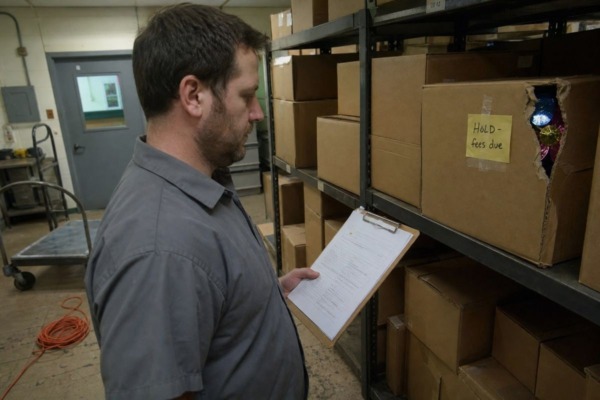
DDP is attractive because it turns four unpredictable invoices into one predictable number. Your accounting team loves it. Your customs broker becomes unnecessary. For a procurement manager juggling shipping delays, damaged packaging claims, and QC schedules, one clean number is a real relief.
But DDP has costs beneath the surface, and I would rather you hear them from a supplier than discover them later.
What a DDP Quote Really Contains
First, the supplier must estimate your country's duty rate, brokerage fees, and inland delivery costs months in advance. U.S. tariff policy has been volatile, and rates can change between quote and shipment. So any honest DDP price includes a cushion. You pay for certainty.
Second, itemization disappears. Some importers actually prefer separate line items because they can reclaim or offset Value Added Tax (VAT) in their own country, or verify that the duty charged matches the official rate. With DDP, the tariff is baked into the sticker price, and you are paying it indirectly whether you see it or not.
Third, check whether tariffs even apply to your situation. If you buy from a domestic distributor holding imported stock, the duty was already paid upstream. Tariffs only matter when the product crosses a border with you as the importer of record.
Our usual advice: small or first-time buyers benefit most from DDP. Experienced distributors with their own freight forwarders often save money on FOB terms instead.
Which Incoterms Should I Negotiate to Avoid Hidden Shipping Fees?
Over years of exporting pinwheels to the United States, South America, and Europe, I have quoted under nearly every Incoterm. The right one depends on how much control you want.
Negotiate FOB if you have your own freight forwarder, CIF if you want the supplier to arrange main freight, and DDP if you want zero surprises. Avoid vague terms like free shipping without a named Incoterm, and always confirm who pays brokerage and clearance fees in writing.

Incoterms decide exactly where the seller's responsibility 4 ends and yours begins. Get this wrong, and hidden fees appear in the gap.
Quick Comparison of the Main Incoterms
| Incoterm | Seller Pays | Buyer Pays | Best For |
|---|---|---|---|
| EXW (Ex Works) | Nothing beyond packing | All freight, duties, fees | Buyers with full logistics teams |
| FOB (Free on Board) | Transport to port, export clearance | Ocean freight, insurance, duties | Experienced importers with forwarders |
| CIF | Freight and insurance to destination port | Duties, clearance, inland delivery | Buyers wanting simpler freight |
| DDP | Everything to your door, duties paid | Nothing further | First-time or convenience-focused buyers |
A Checklist Before You Sign Any Quote
Run through these questions with every supplier, including us:
- Is the price EXW, FOB, CIF, or DDP? Get the term on the pro forma invoice.
- Who pays customs clearance fees and courier brokerage charges at destination?
- Is freight insurance included, and at what declared value?
- Is the price protected against tariff changes before shipment, or will surcharges pass through?
- Does "free shipping" mean international shipping, or only domestic delivery after arrival? Retail free-shipping thresholds, often around $50, almost always apply only to domestic regions like the contiguous United States.
- If goods arrive damaged, does the refund cover the tariffs and original shipping you already paid? On international orders, it usually does not.
I encourage buyers to send us this exact list over WhatsApp. A supplier who answers all six clearly is a supplier you can plan around.
Conclusion
A quoted price is not a landed price. Our website prices are ex-works, so confirm freight, duties, and Incoterms in writing, then compare suppliers on total landed cost.
Footnotes
1. The World Customs Organization is the primary authority for international standards regarding the determination of customs value. ↩︎
2. Trade.gov provides official resources for businesses to determine the correct tariff classification and duty rates for imports. ↩︎
3. The WTO provides the legal framework for how freight and insurance costs are treated in customs valuation. ↩︎
4. The International Chamber of Commerce defines the specific seller’s responsibility under various standardized Incoterms used in global trade. ↩︎
More Articles
You might also find these helpful.

What Fire Retardant Certifications Should I Check When Buying Pinwheels?
Windmill string quotes typically exclude tariffs and shipping; expect 20-40% extra unless the seller confirms DDP or landed-cost…
Read More →
How to Verify Authenticity of Test Reports When Purchasing Wind Turbines?
Windmill string quotes typically exclude tariffs and shipping; expect 20-40% extra unless the seller confirms DDP or landed-cost…
Read More →
How to Check if Pinwheel/Windmill Materials Contain Harmful Chemicals?
Windmill string quotes typically exclude tariffs and shipping; expect 20-40% extra unless the seller confirms DDP or landed-cost…
Read More → English
  Spanish
  German
  Arabic