
How to Handle Peak-Season Logistics Congestion When Purchasing Pinwheels?
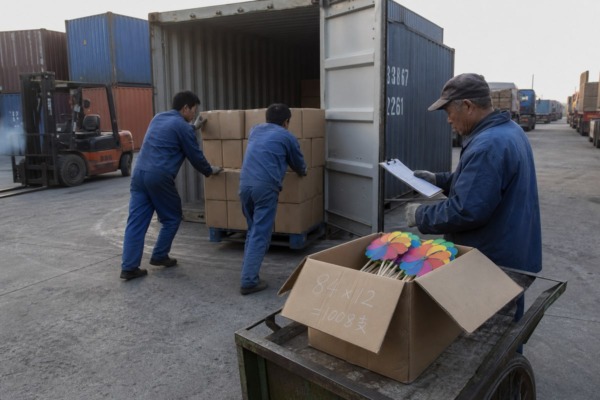
Peak-season logistics congestion turns purchasing pinwheels into a gamble. At our Zhejiang workshop, we have watched missed bookings strand clients’ spring orders for weeks. It does not have to happen.
To handle peak-season logistics congestion when purchasing pinwheels, lock in cargo space 60–90 days early, extend your delivery lead time, keep 2–3 backup logistics channels, confirm the supplier’s production slot, and add buffer days for warehouse dwell and last-mile delays.
That is the short answer. The longer answer covers timing, [supplier](https://zhufengpinwheels.com/?p=781) selection, and packaging. Below, I walk through each question a buyer should ask before the busy months hit.
How can I avoid shipping delays when ordering pinwheels during peak season?
Last spring, a US procurement manager messaged us on WhatsApp: her pinwheel order was stuck at a congested port, three weeks before her retail launch. We fixed it, barely.
You can avoid shipping delays by ordering 60–90 days before your deadline, booking freight capacity early, choosing suppliers with 2–3 backup logistics channels, avoiding last-minute standard shipping, and adding buffer days for port congestion, warehouse backlogs, and peak season surcharges.
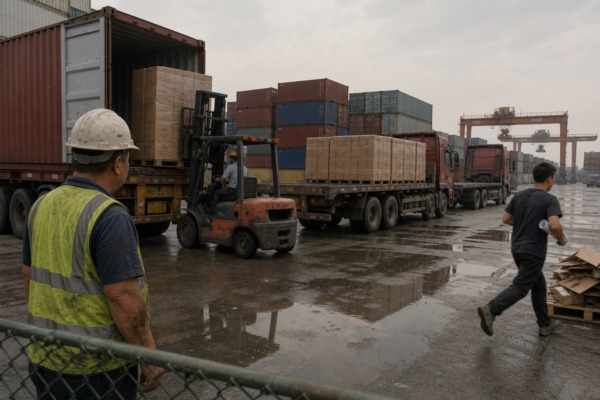
That rescue taught me a rule I now repeat to every client: treat a pinwheel purchase as a supply-chain planning problem 1, not just a buying decision. Congestion happens when order volume collides with limited transport, labor, and storage capacity. Your job is to get ahead of that collision.
Why Small Products Still Get Stuck
Buyers often assume that light, low-value items move easily. They do not. Pinwheels share containers, vessels, and trucks with all seasonal freight. When carrier space runs out, nobody gets an exemption. Recent freight analysis also shows retailers stocking up earlier than usual to avoid tariff risk, ocean surcharges, and policy uncertainty. That pulls imports forward and tightens capacity sooner than normal. Some logistics sources now advise preparing for multiple peak periods across the year, not just the classic holiday rush. So the congestion window is wider than most buyers expect.
Lock in Capacity Before the Market Tightens
Our own practice is simple: we lock cargo space 2 early in peak season, quote longer delivery cycles, and keep 2–3 backup logistics channels ready. When one lane jams, we switch. Good freight forwarding services do the same thing at scale, and strong port congestion management sometimes means rerouting through a secondary port entirely.
| Delay Risk | What Causes It | Your Counter-Move |
|---|---|---|
| No vessel space | Early, heavy import flows | Book capacity 60–90 days ahead |
| Peak season surcharges | Spot-market scarcity | Lock rates early with a forwarder |
| Port backlog | Concentrated arrivals | Ask about alternate ports or routes |
| Warehouse dwell | Full, short-staffed facilities | Add buffer days beyond transit time 3 |
| Single-carrier failure | One channel hits its limit | Keep 2–3 logistics channels on standby |
What lead times should I expect when sourcing pinwheels from China in high-demand months?
Our production line in Zhejiang runs longest from January through April, when spring and Easter orders overlap. That overlap is exactly when quoted lead times quietly stretch.
Expect 15–30 days of production plus 25–40 days of ocean transit when sourcing pinwheels from China in high-demand months, and add 10–15 buffer days for customs, warehouse dwell, and last-mile delays. Total planning windows of 60–90 days are realistic; holiday programs need 6–8 months.
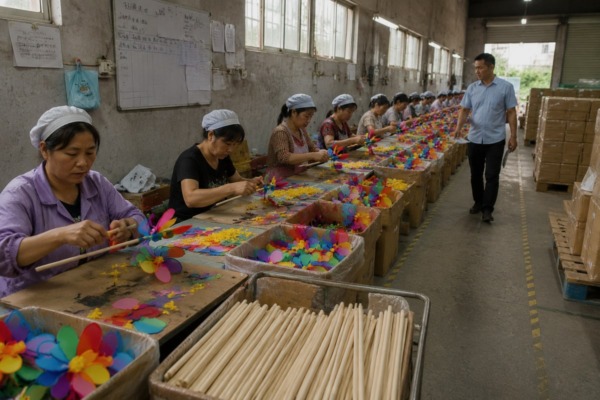
Here is how the total timeline typically breaks down, based on the orders we run for US and European distributors. The peak column is what matters. Every stage stretches at the same time, and the stretches stack.
| Stage | Normal Months | High-Demand Months |
|---|---|---|
| Sample confirmation | 3–7 days | 5–10 days |
| Production and QC | 15–25 days | 20–35 days |
| Inland trucking and export clearance | 3–5 days | 5–8 days |
| Ocean freight | 20–30 days | 25–40 days |
| Destination customs and port handling | 2–5 days | 5–10 days |
| Warehouse dispatch and last mile | 3–5 days | 5–12 days |
The Checkout-Time Illusion
The number a website shows at checkout is usually transit time only. It ignores fulfillment backlog, warehouse dwell, and delivery-day slippage. Effective peak-season planning accounts for both transit time and warehousing and distribution time. This is why our team quotes total door-to-door windows, not vessel schedules. Real lead time optimization means shrinking the stages you control and buffering the ones you cannot.
Match Shipping Mode to Urgency
Not every shipment deserves premium service. If your pinwheels restock a general display, slower and cheaper ocean freight is fine, and it frees faster capacity for goods that truly need it. If they anchor a fixed-date event or promotion, pay for priority space or partial air freight. One logistics source recommends starting holiday inventory planning at least 6–8 months in advance. For pinwheels tied to spring, we tell buyers plainly: the more your delivery date matters, the earlier your order must be placed. Good inventory forecasting turns that rule into a calendar, not a guess.
How do I choose a reliable pinwheel supplier that can handle peak-season order volumes?
Every peak season, we face a hard trade-off at our factory: accept every rush order, or protect delivery dates for committed clients. Reliable suppliers choose the second option.
Choose a pinwheel supplier with proven peak-season capacity: documented production scheduling, in-house quality control, flat-pack packaging options, established freight forwarding partners, at least two backup shipping channels, real-time order visibility, and fast communication. Verify these with a trial order before the busy months arrive.

A supplier's peak-season reliability is testable before you commit real money. When distributors evaluate us, the sharpest ones run through a short interrogation. I recommend you do the same with any factory you shortlist.
Seven Questions to Ask Before You Commit
- How many pinwheel units can you produce per week in March and April, and how much of that is already committed?
- Do you pre-book vessel space, and how many logistics channels can you switch between if one lane jams?
- Can you ship from more than one warehouse or stage stock closer to my market through a third-party logistics (3PL) partner?
- What is your QC process for blades, dowels, and grommets before packing?
- Do you offer supply chain visibility, meaning tracking updates and honest cut-off dates rather than optimistic promises?
- Will you consolidate my pinwheels with other outdoor seasonal goods to build full, high-priority truckloads?
- What happens if you miss the agreed ship date?
A supplier who answers these quickly and specifically is usually one who runs real seasonal demand planning. A supplier who answers vaguely is guessing.
The Early-Order Objection
Buyers push back on early ordering, and fairly so: it ties up cash and storage, and demand can shift. The fix is structure, not delay. Negotiate early-bird receiving terms, such as extended payment or discounts for accepting off-season delivery, which flattens the logistics demand curve for both sides. Split a bulk procurement strategy into staggered shipments. Hold modest safety stock levels for your proven repeat sellers only. Early ordering works best when you have stable demand or a fixed event date; if you have neither, buy smaller and earlier rather than bigger and later.
What steps can I take to protect my pinwheel shipments from damage during congested logistics periods?
A crushed carton taught our packing team more than any manual. Congested warehouses stack boxes higher and handle them rougher, so we redesigned how our pinwheels travel.
Protect pinwheel shipments by ordering flat-packed unassembled kits, specifying reinforced export cartons with moisture barriers, requesting drop-tested packaging, palletizing where possible, labeling cartons clearly, insuring the cargo, and tracking shipments closely so you can intervene when congestion extends warehouse dwell times.
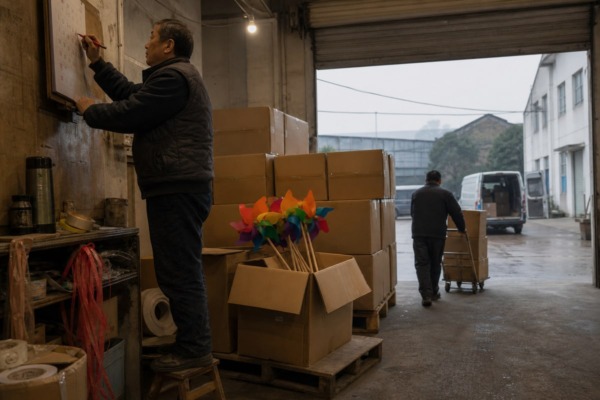
Damage risk rises during congestion for a simple reason: cargo sits longer and gets touched more. Every extra transfer, restack, and dwell day is another chance to crush a blade or snap a dowel. So the goal is to reduce touches and to survive the touches you cannot avoid.
Design the Package for Congestion, Not Ideal Conditions
The single biggest protection is product engineering. An assembled pinwheel ships mostly air, and air-filled cartons crush. Our kits pack the die-cut petal blades flat, bundle the wooden dowel sticks separately, and bag the grommets and pin assemblies together. Snap-fit, flat-pack components allow ultra-high-density loading, which maximizes units per container, cuts the shipping footprint, and lowers freight cost per unit. Fewer cartons also means fewer handling events. When we developed our current flat-pack format, breakage complaints from congested-period shipments dropped noticeably compared with our old pre-assembled cartons.
| Damage Risk | Why Peak Season Makes It Worse | Protection Step |
|---|---|---|
| Crushed cartons | Higher stacking in full warehouses | Reinforced double-wall export cartons |
| Bent blades and snapped dowels | Rougher, faster handling | Flat-pack kits with internal dividers |
| Moisture and film warping | Longer container and dwell times | Poly liners and desiccant packs |
| Lost or split cartons | More transfers between hubs | Palletized, shrink-wrapped loads with clear labels |
| Unnoticed transit damage | Slow claims during busy periods | Cargo insurance plus arrival inspection photos |
Inspect, Insure, and Watch the Tracking
Ask your supplier for carton drop-test confirmation and pre-shipment photos. Insure the cargo; peak-period claims move slowly, but they move. Then monitor tracking actively. If a shipment stalls at a congested hub, early intervention through your forwarder can reroute it. Passive buyers find out about damage at delivery. Active buyers find out in time to act.
Conclusion
Peak-season logistics congestion punishes late planners. Order early, lock capacity 60–90 days ahead, keep backup channels, demand strong packaging, and your pinwheels will arrive on time — every season.
Footnotes
1. Supply chain management involves the coordination of production, inventory, and logistics to meet seasonal demand spikes. ↩︎
2. The WTO monitors global trade capacity and provides rules for international trade facilitation and logistics efficiency. ↩︎
3. The World Customs Organization provides standards for improving port efficiency and reducing transit times in global trade. ↩︎
4. The IMO is the United Nations agency responsible for the safety, security, and environmental performance of international shipping. ↩︎
More Articles
You might also find these helpful.

How to Remotely Verify a Factory's Production Capabilities for Wrought Iron Plug-In Components?
Avoid peak-season pinwheel logistics congestion by booking freight 60-90 days early, securing backup carriers, and building buffer time…
Read More →
How to Assess a Factory's Production Capacity When Sourcing Wrought Iron Inserts?
Avoid peak-season pinwheel logistics congestion by booking freight 60-90 days early, securing backup carriers, and building buffer time…
Read More →
What Questions Should You Ask Wrought Iron Insert Suppliers to Spot Unreliable Ones Early?
Avoid peak-season pinwheel logistics congestion by booking freight 60-90 days early, securing backup carriers, and building buffer time…
Read More → English
  Spanish
  German
  Arabic